







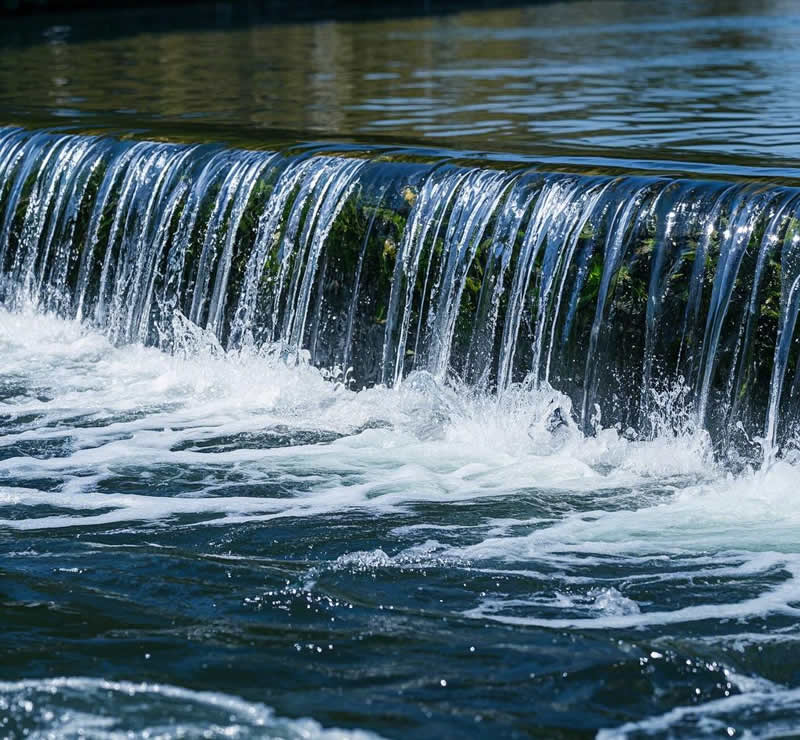
Agricultural Irrigation Sensors For Smart Water Management
In agricultural production, irrigation plays a crucial role. Traditional irrigation methods often result in issues such as water wastage and uneven distribution. However, with the continuous development of technology, automated irrigation channels have emerged, offering innovative solutions for agricultural irrigation.
Agriculture accounts for approximately 70% of global freshwater withdrawals, making irrigation efficiency a critical factor in sustainable water resource management (UNESCO, 2022). The integration of soil moisture, water level, flow, and multi-parameter water quality sensors with data acquisition and control platforms enables precision irrigation, which research indicates can substantially reduce water consumption while maintaining or increasing crop yields (Lakhiar et al., 2024).
Challenges in Agricultural Irrigation
- High Water Consumption in Agriculture: Irrigation represents roughly 69–70% of total freshwater withdrawals globally (FAO AQUASTAT, 2022). Any improvement in irrigation efficiency can lead to significant water savings.
- Climate Uncertainty: Extreme droughts and irregular rainfall undermine traditional experience-based irrigation scheduling. Real-time sensor data allows for dynamic irrigation adjustments and risk management.
- Technology Maturity: Recent studies and industrial-grade sensors—including soil moisture, flow, water level, and multi-parameter water quality sensors—have demonstrated effectiveness in diverse crops and terrains (University of Minnesota Extension, 2023).
Solution Overview: Sensors + Communication + Control + Analytics
A complete smart irrigation system typically comprises four layers:
- Sensing Layer: Soil moisture and temperature, environmental conditions, channel water level, flow meters, multi-parameter water quality (pH, EC, turbidity, dissolved oxygen).
- Communication Layer: Field data loggers and gateways (RS485/Modbus, LoRa, NB-IoT) transmit data to cloud platforms or local controllers.
- Control Layer: Electromagnetic valves, variable-frequency pumps, or irrigation controllers automatically adjust water delivery based on sensor feedback.
- Analytics Layer: Historical data and crop models support irrigation optimization (e.g., threshold-based or evapotranspiration-driven irrigation triggers).
Advantages and Features of Automated Irrigation
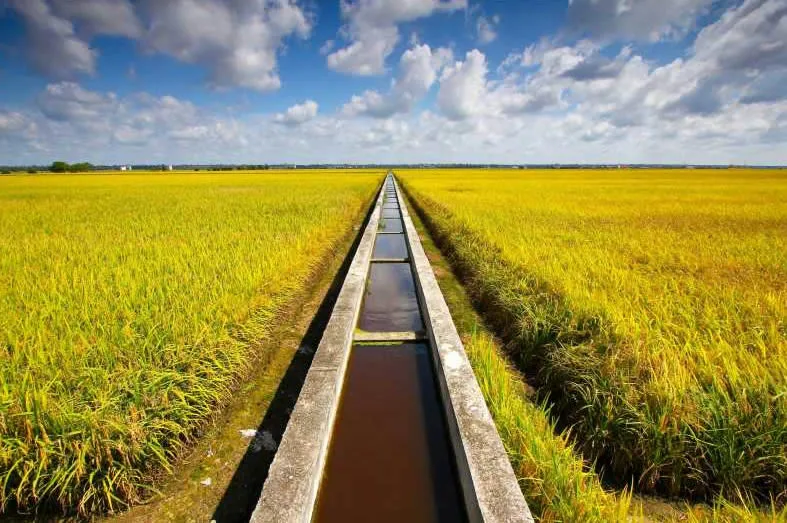
Precise Irrigation and Water Conservation
Automated irrigation systems can accurately control irrigation water volume and timing based on the crop’s water requirements. By using sensors to monitor soil moisture, weather conditions, and other factors in real-time, the system can precisely calculate the water needed by crops, avoiding over-irrigation or insufficient watering. This greatly improves water resource utilization efficiency and ensures the rational distribution of water resources.
Improved Irrigation Efficiency and Reduced Labor Costs
Automated irrigation systems allow for remote monitoring and operation, eliminating the need for on-site supervision. Managers can control and manage the irrigation system anytime, anywhere using mobile phones, computers, or other devices. This not only greatly enhances irrigation efficiency but also saves a significant amount of labor costs. Additionally, the system can schedule irrigation and implement zoned watering, further enhancing the scientific and rational distribution of water.
Enhanced Crop Yield and Quality
Precise irrigation provides crops with the optimal water environment, promoting healthy growth and development, thereby increasing crop yield and quality. With automated irrigation systems, crops receive timely and adequate water, reducing the occurrence of diseases and pests caused by water stress or excess moisture. This ensures healthy crop growth and lays a solid foundation for a bountiful harvest.
Application Scenarios of Automated Irrigation Systems
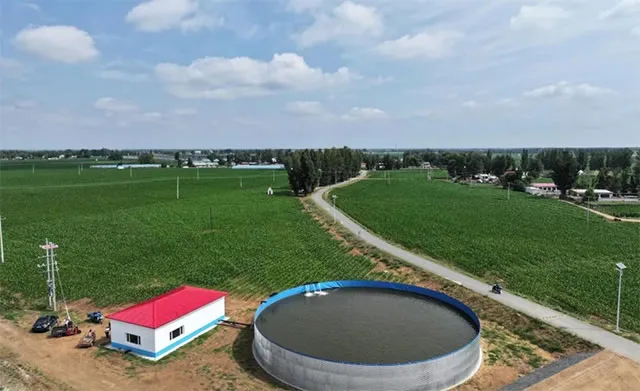
Large-Scale Farmland Irrigation
In vast plain areas where large-scale grain crops like wheat and corn are grown, automated irrigation systems use various sensors distributed across the fields to monitor soil moisture and crop growth conditions in real-time. The system precisely adjusts the irrigation volume based on the specific needs of different areas, ensuring that every crop receives the right amount of water. In the case of large-scale irrigation tasks, the automated system can efficiently coordinate multiple irrigation zones, significantly improving irrigation efficiency, reducing labor input, and ensuring stable food production.
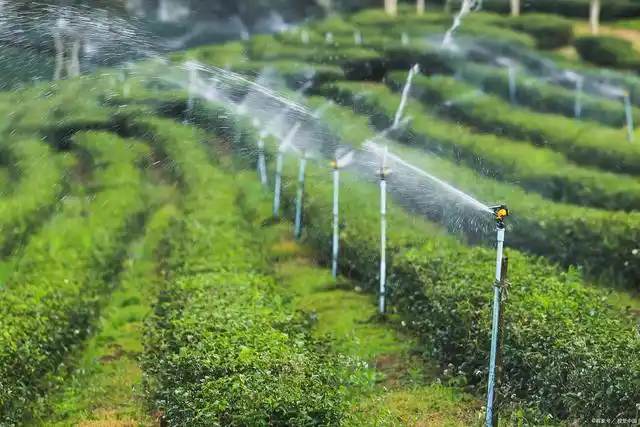
Orchard Irrigation
Fruit trees in orchards have specific water requirements depending on their growth stages and varieties. Automated irrigation systems can customize irrigation plans based on the unique needs of different trees, taking into account their growth cycles and water needs. For example, during flowering and fruit expansion stages, the system uses level sensors and flow meters to control irrigation volumes precisely, while water quality sensors monitor the water quality to ensure the trees receive optimal irrigation. This improves fruit yield and quality, reduces issues such as flower drop or fruit drop caused by improper water management.
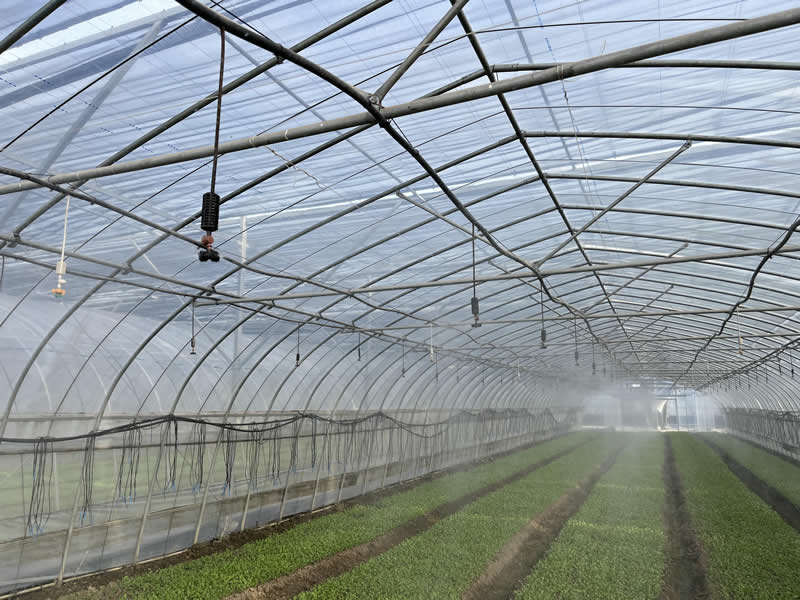
Greenhouse Vegetable Irrigation
In greenhouses, where the environment is more controlled, automated irrigation systems perform even better. Using soil moisture and weather sensors, the system monitors parameters such as soil moisture, temperature, and light levels in real-time. The automated system ensures precise irrigation, preventing problems like excessive humidity, which can lead to diseases and pests. Additionally, farmers can remotely control the irrigation system through mobile apps, allowing for real-time adjustments even when they are not on-site. This ensures that vegetables grow under the best moisture conditions, maintaining their freshness and yield.
Components of an Automated Irrigation System
Sensor Module
This module acts as the “sensory organ” of the system and includes various types of sensors such as water quality sensors, flow meters, and level sensors. Water quality sensors monitor parameters like pH, dissolved oxygen, and conductivity to ensure irrigation water meets the required standards. Flow meters measure the water flow rate to track irrigation water usage accurately, while level sensors provide real-time data on water levels in irrigation channels, ensuring the system operates smoothly. Other sensors, such as soil moisture and weather sensors, gather environmental data that supports precise irrigation.
Data Transmission Module
The data collected by sensors needs to be transmitted to a processing center. The data transmission module is responsible for this task. Wireless transmission technologies such as 4G, NB-IoT, and LoRa are commonly used to enable fast and stable data transmission, free from the limitations of wired networks. These technologies enhance the system’s flexibility and scalability.
Data Processing and Control Center
This is the “brain” of the entire automated irrigation system. It receives data from the sensors and processes it according to predefined algorithms. By considering the crop growth stages and water requirements, it calculates the optimal irrigation plan and sends instructions to control devices, such as pumps and valves, to implement precise irrigation.
Actuator Module
The actuator module converts instructions from the data processing and control center into actual operations, controlling devices like pumps and electric valves. The pumps adjust water flow based on instructions, while electric valves regulate water flow and distribution across irrigation zones.
Cases
Key Sensors in Automated Irrigation Systems
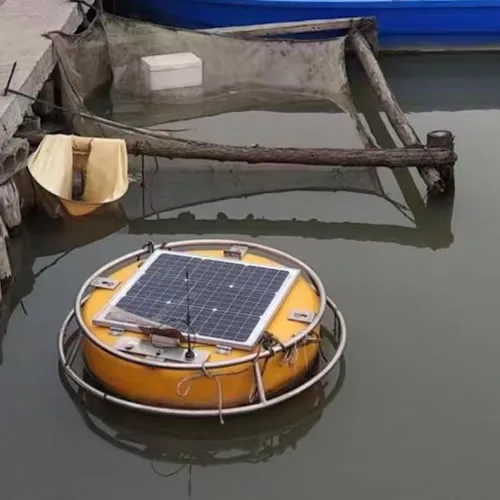
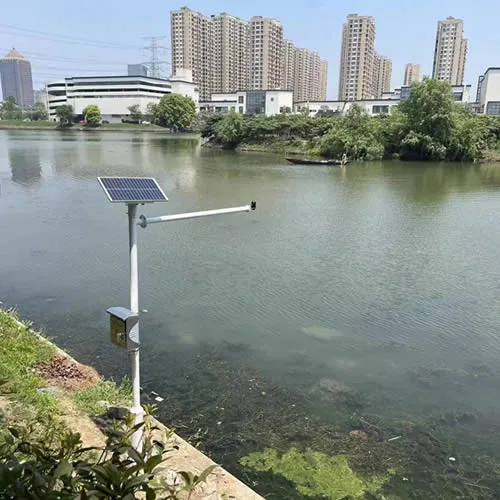
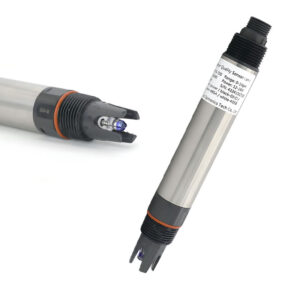
Water quality is one of the key factors influencing crop growth. Water quality sensors can monitor parameters such as pH, dissolved oxygen, and conductivity in real-time, helping to assess the quality of irrigation water. If the water quality doesn’t meet the requirements for crop growth, the system can issue an alert and take corrective actions, such as adding chemicals to adjust the water quality.



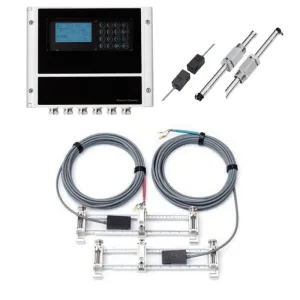
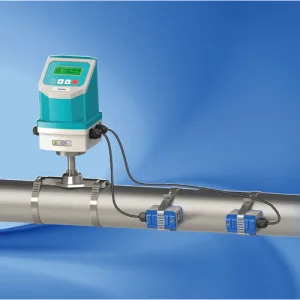
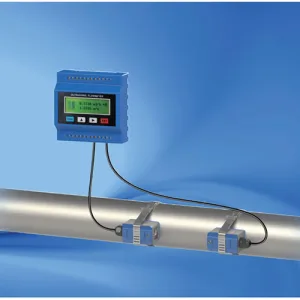
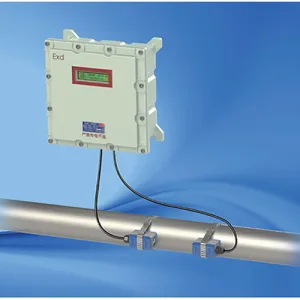
Flow meters measure the flow rate of water in irrigation channels. By using flow meters, farmers can control the amount of water used for irrigation accurately. Flow meter data also helps evaluate the irrigation system’s efficiency and identify issues such as leaks or valve malfunctions.
Level sensors monitor the water levels in irrigation channels. Maintaining appropriate water levels is critical for the proper functioning of the irrigation system. These sensors provide real-time feedback, and when the water level is too high or too low, the system can automatically adjust pump operations or open/close valves to maintain the optimal water level.


