







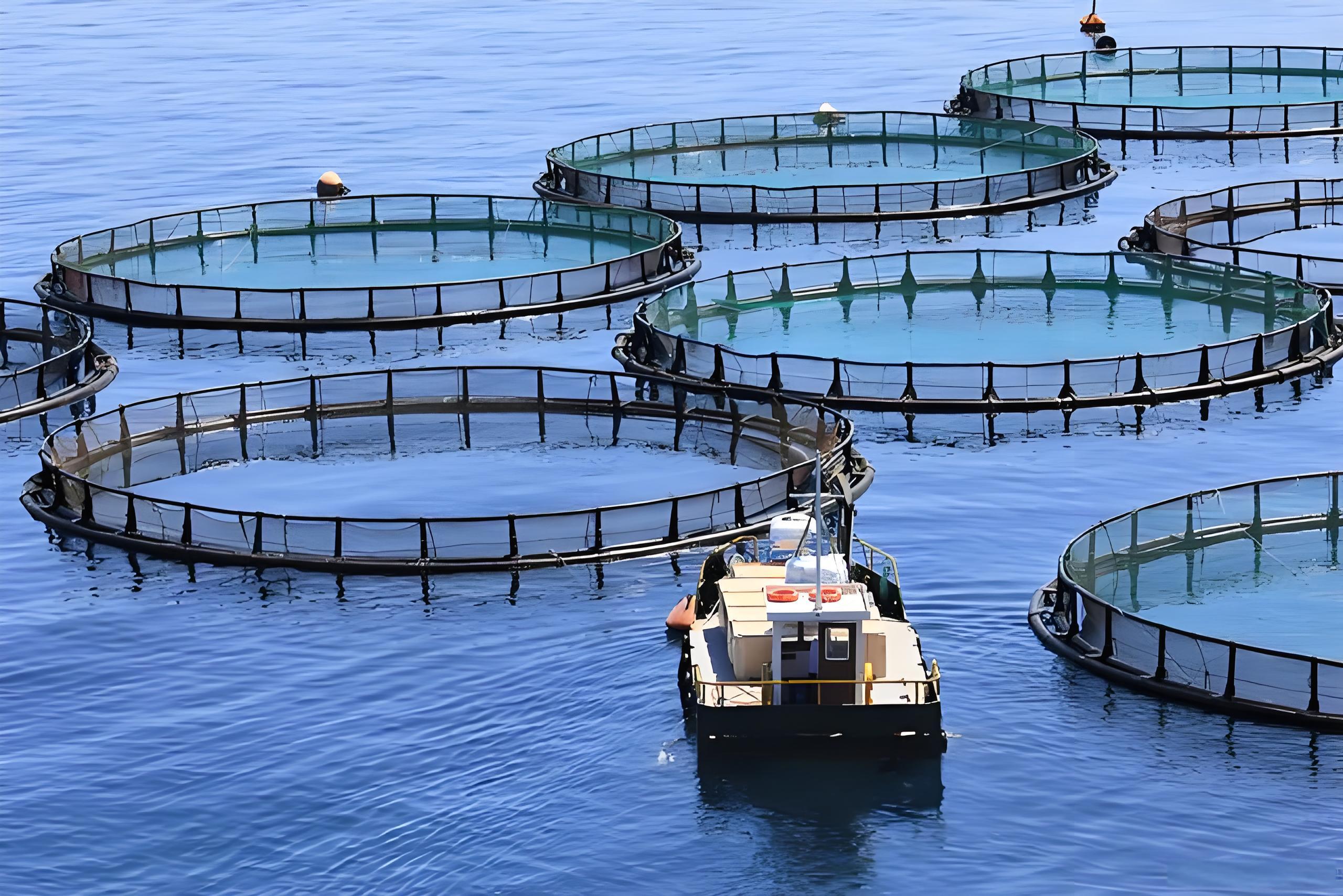
Aquaculture Water Quality Monitoring
Aquaculture water quality monitoring tracks 6 key parameters — dissolved oxygen, pH, temperature, ammonia, nitrite, and salinity — in real time to prevent fish kills and significantly improve survival rates. This guide covers the ideal ranges for common farmed species, the sensors that measure each parameter, and a step-by-step monitoring plan.
According to the Food and Agriculture Organization (FAO), aquaculture “is understood to mean the farming of aquatic organisms including fish, molluscs, crustaceans and aquatic plants. Farming implies some form of intervention in the rearing process to enhance production, such as regular stocking, feeding, and protection from predators. Farming also implies individual or corporate ownership of the stock being cultivated.”
Aquaculture market prospects
The global aquaculture industry is poised for sustained growth, emerging as a critical solution to the world’s increasing demand for seafood. With wild fisheries operating at their maximum sustainable limit, aquaculture represents the only viable path to meet the protein needs of a growing population. This report outlines the key drivers, challenges, and future trends shaping the industry’s positive market outlook, highlighting a future defined by efficiency and sustainability.
As global aquaculture continues to expand, stable water quality is becoming a key factor influencing yield, survival rate, and disease risk. According to the FAO 2024 report, global aquaculture production has exceeded 130 million tons, accounting for more than half of global aquatic animal production. This has led to a significant increase in the industry’s demand for real-time, accurate, and automated water quality monitoring.
Aquaculture species water quality requirements
| Aquaculture Species | Temperature (°C) | Dissolved Oxygen (mg/L) | pH | Alkalinity (mg/L) | Ammonia (%) | Nitrite (mg/L) |
| Baitfish | 16 – 24 | 4 – 10 | 6 – 8 | 50 – 250 | 0 – 0.03 | 0 – 0.6 |
| Catfish/Carp | 18 – 26 | 3 – 10 | 6 – 8 | 50 – 250 | 0 – 0.03 | 0 – 0.6 |
| Hybrid Striped Bass | 21 – 29 | 4 – 10 | 6 – 8 | 50 – 250 | 0 – 0.03 | 0 – 0.6 |
| Perch/Walleye | 10 – 18 | 5 – 10 | 6 – 8 | 50 – 250 | 0 – 0.03 | 0 – 0.6 |
| Salmon/Trout | 7 – 20 | 5 – 12 | 6 – 8 | 50 – 250 | 0 – 0.03 | 0 – 0.6 |
| Tilapia | 24 – 34 | 3 – 10 | 6 – 8 | 50 – 250 | 0 – 0.03 | 0 – 0.6 |
| Tropical Ornamentals | 20 – 28 | 4 – 10 | 6 – 8 | 50 – 250 | 0 – 0.03 | 0 – 0.5 |
Which sensor measures which parameter?
Matching each parameter to the right sensor is the first step in designing any aquaculture water quality sensor system. The table below maps every key parameter listed above to a specific model, so you can select equipment for each measurement point.
| Parameter | Recommended Sensor | Why it matters in aquaculture |
| Dissolved oxygen (DO) | KWS-600 fluorescence DO sensor | The single most lethal parameter; falls to its lowest 1–2 hours before sunrise and is the usual cause of overnight fish kills. |
| pH | KWS-750 online pH probe | Controls ammonia toxicity and stress; daily swings above 0.3 pH units indicate an unstable carbonate system. |
| Ammonia nitrogen (NH4-N) | KWS-200 ammonia sensor (with pH compensation) | Toxic fraction rises sharply with pH and temperature; pH-compensated measurement reads the real risk, not just total nitrogen. |
| Temperature | Built-in on the DO and pH probes above | Drives metabolism, feeding rate and oxygen solubility; also required to interpret ammonia toxicity correctly. |
| Nitrite (NO2-N) | KWS series nitrogen sensor | Signals an incomplete biofilter cycle; blocks oxygen transport in blood even when DO looks normal. |
| Salinity | KWS-300 4-electrode conductivity sensor | Sets osmoregulatory load in brackish and marine systems and shifts every other threshold on this page. |
In the process of aquaculture, the stability and suitability of water quality are crucial to the growth rate and quality of aquatic products. Water quality sensors can collect various key water quality indicators in real time, such as pH, dissolved oxygen, ammonia nitrogen, salinity, etc., to provide farmers with accurate water quality data. Real-time monitoring and timely regulation are widely reported to improve survival rates substantially in both ponds and RAS systems, mainly by preventing overnight dissolved-oxygen crashes and undetected ammonia peaks. The exact uplift depends on species, stocking density, and how quickly the farmer reacts, so treat any single percentage as indicative rather than guaranteed.
Aquaculture water quality standards
In the aquaculture industry, water quality standards play a crucial role in maintaining the health, growth, and productivity of aquatic species. Whether it’s fish, shrimp, or other aquatic organisms, water quality parameters such as dissolved oxygen, pH levels, temperature, and ammonia levels directly impact their development and survival. Understanding and adhering to these water quality standards for the aquaculture industry not only promotes the growth of aquatic life but also ensures the sustainability and efficiency of farming operations.
- United States: The EPA (Environmental Protection Agency) provides water quality standards for aquaculture, focusing on parameters such as oxygen levels, ammonia, and pH.
- European Union: The EU has its own set of water quality regulations that are part of the Common Fisheries Policy, emphasizing environmental sustainability and the health of aquatic species.
- China: The Chinese Ministry of Agriculture has guidelines for aquaculture water quality, including specific limits on ammonia and pH, and requires regular water quality monitoring in both freshwater and marine systems.
Why is aquaculture using water quality monitoring?
Aquaculture relies on water quality monitoring systems because they monitor water parameters in real time, ensuring the healthy growth of fish, shrimp, and shellfish, preventing disease, and improving aquaculture efficiency. By monitoring key indicators such as dissolved oxygen, temperature, heavy metals, and pesticide residues, farmers can adjust water quality promptly to prevent yield and quality declines caused by adverse conditions. This ensures product safety and promotes the standardization and sustainable development of the aquaculture industry.
Real-time Monitoring
Continuous DO, pH, and temperature readings from every pond and tank, logged around the clock.
Instant Early Warning
Threshold alarms reach you before conditions turn lethal, not after the morning check.
Sustainable Aquaculture
Better feed conversion, fewer losses, and a documented water quality record every cycle.
Recommended Monitoring Plan for Aquaculture Environments
To improve monitoring effectiveness and ensure stable water quality, we recommend the following deployment strategy, suitable for both pond farming and intensive/industrial aquaculture systems.
Sensor Deployment Locations
Pond Aquaculture
- Install one set of DO + pH + Temperature multiparameter probes for every 1–3 mu of pond area (≈0.067–0.2 hectares per set).
- Deploy sensors at two depths (surface and lower water layers) to detect thermal stratification and potential hypoxic zones.
- Additional monitoring points should be placed at water inlets and outlets to detect quality fluctuations caused by exchange water.
Intensive / RAS (Recirculating Aquaculture Systems)
- Install one multiparameter probe per tank or circulation loop.
- Add NH₃ (ammonia) and NO₂⁻ (nitrite) sensors in the biofiltration zone (nitrification/denitrification).
- Include ORP monitoring (Oxidation-Reduction Potential) to evaluate nitrogen cycle performance and biofilter health.
Recommended Data Sampling Frequency
| Parameter | Sampling Frequency | Notes |
|---|---|---|
| DO (Dissolved Oxygen) | Real-time (1–5 min) | Most sensitive; directly affects survival |
| Temperature | Real-time | Controls feeding, metabolism, and ammonia toxicity |
| pH | Every 5–15 min | Strongly correlated with ammonia toxicity |
| TAN (Total Ammonia Nitrogen) | Real-time or every 15–30 min | Real-time recommended for high-density farming |
| Nitrite (NO₂⁻) | Daily to real-time | Depends on farming method and stocking density |
3. Recommended Alarm Thresholds
Actual thresholds should be adjusted based on species, season, and management style.
The following settings reflect commonly used industry standards.
| Parameter | Warning Level | Critical Level |
|---|---|---|
| DO | < 4 mg/L | < 2.5 mg/L |
| pH | < 6.5 or > 8.8 | Daily fluctuation > 0.3 |
| NH₃ (Unionized Ammonia) | > 0.05 mg/L | > 0.1 mg/L |
| Temperature | ±2°C outside optimal range | Sudden temperature changes |
Aquaculture Water Quality Monitoring Equipment Applications
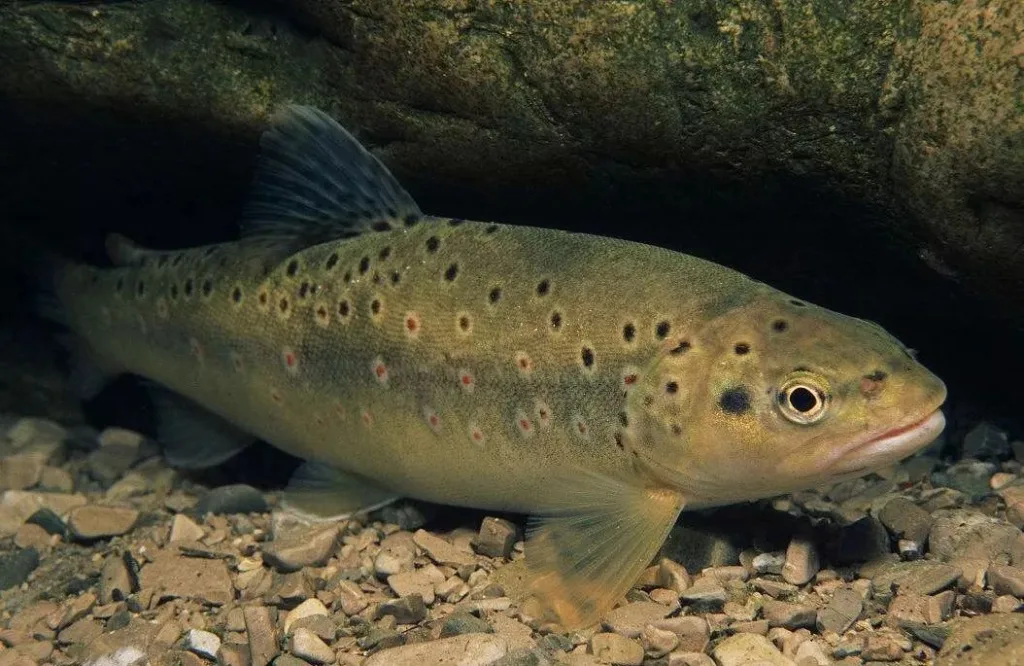
Main water quality conditions for trout farming
Water temperature: 10 – 16℃. Too high a water temperature will lead to faster metabolism and increased oxygen consumption of trout, and may even cause disease and death.
Dissolved oxygen in water: 6 – 10mg/L. High dissolved oxygen helps trout breathe and grow because their metabolism is relatively vigorous.
pH value: 6.5 – 7.5. Overly acidic or alkaline environments will have adverse effects on the physiological functions of trout.
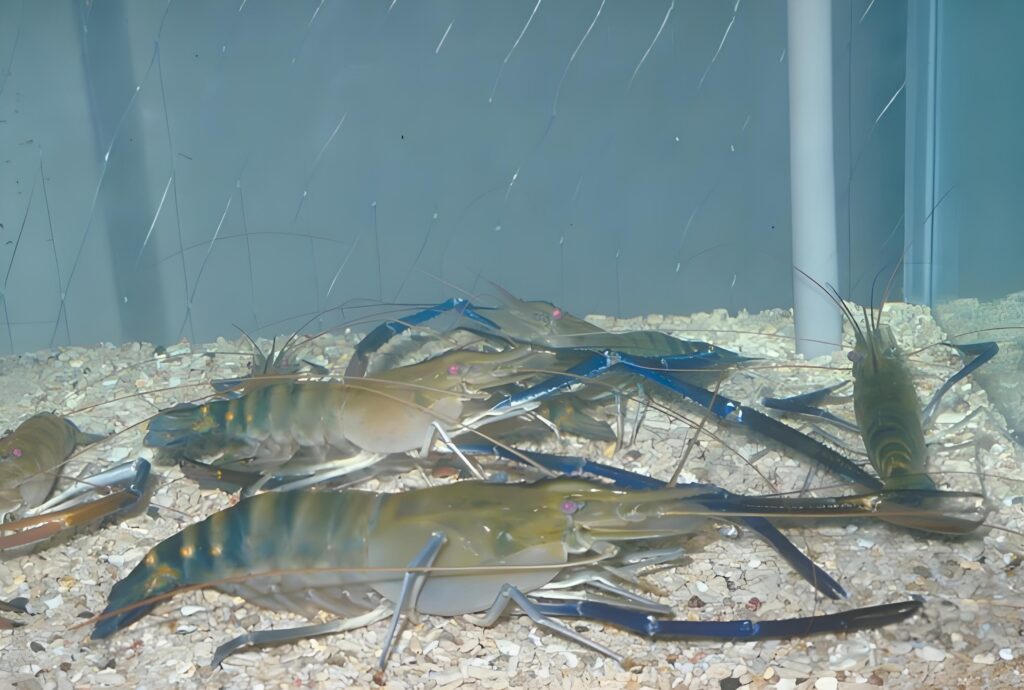
In river shrimp farming
Dissolved oxygen: The dissolved oxygen in the upper layer of the water is required to be greater than 5mg/L, and the dissolved oxygen in the bottom layer is required to be greater than 3mg/L. If the dissolved oxygen in the water is insufficient, it will cause suffocation and death.
PH value: The PH value needs to be controlled between 6.5-7.5.
Ammonia nitrogen: In river shrimp farming, ammonia nitrogen cannot be greater than 0.05mg/L.
Aquaculture water quality monitoring solutions
KACISE is a professional water quality sensor manufacturer. We can help you monitor and manage your aquaculture business and effectively reduce management costs. You can view the data collected by the sensor anytime and anywhere, and gradually move towards automated farming in the future.
1. Single-parameter solution:
Fish pond water quality management directly affects the benefits of fish farming. The main indicators for measuring the quality of fish pond water are: pond water temperature, pH value, dissolved oxygen value, and transparency.
(1) Water temperature: Directly affects the metabolic rate, feeding behavior, and growth rate of aquatic organisms. Different fish have different requirements for water temperature. Tilapia is a tropical fish, and the suitable water temperature is 25℃~34℃. In order to create a suitable temperature environment for fish, it is necessary to keep track of the temperature changes of the pond water at any time.
(2) Dissolved oxygen (DO): Dissolved oxygen refers to oxygen dissolved in the form of oxygen molecules in water, which is an essential substance for the survival and metabolism of aquatic organisms. Generally, the suitable dissolved oxygen value for fish is above 3 mg/L. When the dissolved oxygen value in the water is less than 3 mg/L, the fish stop eating and growing; when the dissolved oxygen value is less than 2 mg/L, the fish will float; and they will begin to die at 0.6-0.8 mg/L.
| Product | Important parameters | Features |
KWS-600 Dissolved oxygen sensor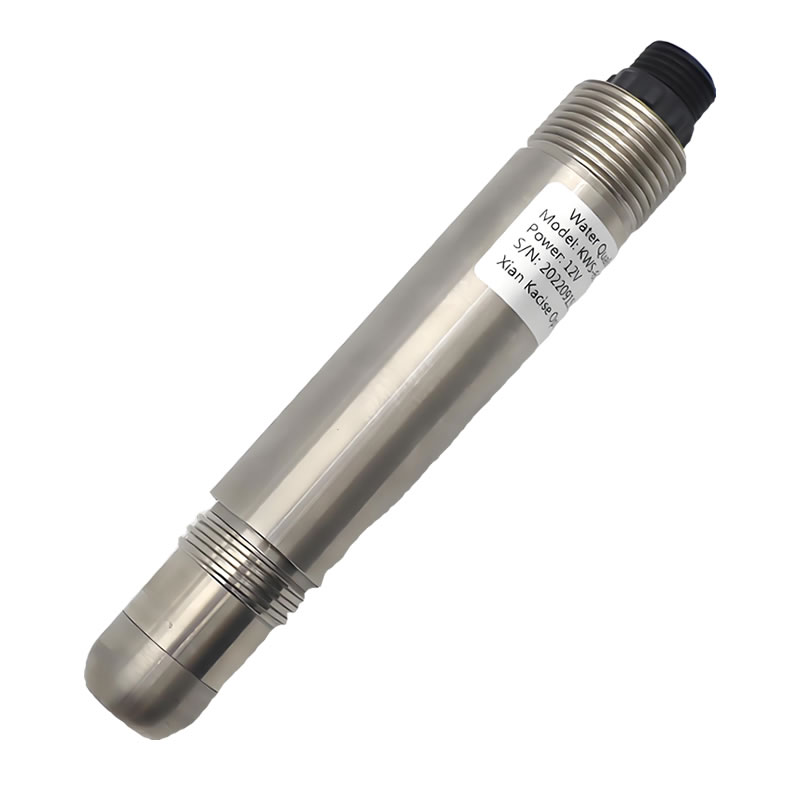 | Range 0-20mg/L | 1.RS485 interface, MODBUS protocol, integrated application is more convenient. 2. Built-in temperature sensor, automatic temperature compensation. 3.No calibration required; can be installed and used directly. |
| accuracy: 1%/FS or ±0.3mg/L | ||
| Maximum water depth: 60m | ||
KWS-630 Dissolved oxygen sensor | Range 0-20mg/L | |
| Dissolved oxygen accuracy: ±0.3mg/L | ||
| Maximum water depth: 30m |
(3) pH value: The water quality PH sensor uses an electrochemical method to measure the PH value in the water. The pH value of water directly affects the production performance of fish. If the water body is acidic, generally when the PH value is less than 6, there are many dead algae or dying algae cells in the water body, the fish body color is obviously white, the aquatic plants are brown or white, and the water transparency is significantly increased. In the middle and late stages of breeding, especially in high-density, high-level ponds or intensive fish ponds, low oxygen or hypoxia is prone to occur, and fish and shrimp are easily attacked by bacteria and viruses and develop various diseases. Therefore, the use of water quality PH sensors can help farmers adjust the water quality in time to ensure that the PH value of the water used by fish and shrimp is stable within a certain range.
| Product | Important parameters | Features |
KWS-700 pH sensor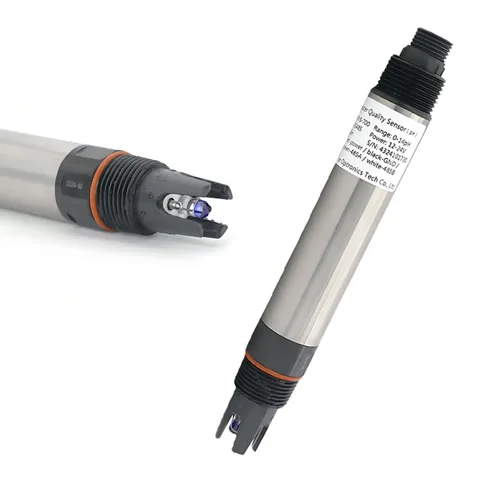 | Power Supply:6~12VDC ±10% | Uses high-performance industrial online electrodes |
| Accuracy: ±0.1pH | Signal output: RS-485 | |
| Temperature Range:0~50℃ | Built-in temperature sensor, automatic temperature compensation. | |
KWS-750 pH sensor | Power Supply:12~24VDC ±10% | Compared with traditional industrial electrodes, the electrode life is extended by two times.s |
| Accuracy: ±0.1pH | Signal output: RS-485 | |
| Temperature Range:0~65℃ | Strong anti-interference and fast response |
(4) Salinity: For marine aquaculture or certain salt-tolerant freshwater aquaculture species (such as shrimp, marine fish, etc.), salinity is a key parameter that affects the osmotic regulation and health of aquatic organisms.
(5) Turbidity: Turbidity reflects the concentration of suspended matter in the water. Excessive turbidity will affect the light in the water, reduce photosynthesis, and thus affect the growth of aquatic plants and the content of dissolved oxygen.
(6) Ammonia nitrogen: Ammonia nitrogen is a common pollutant in aquaculture and is toxic to aquatic life, especially at higher pH values.

2. Multi-parameter solution
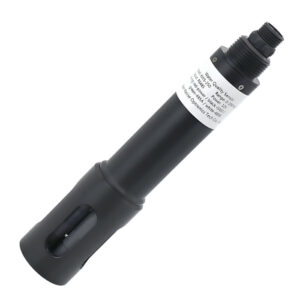
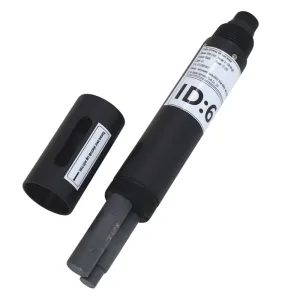
Multi-parameter water quality sensors can measure multiple water quality parameters simultaneously, reducing the cost and complexity of using multiple single sensors. They take up little space and are easy to install and maintain, providing a one-stop solution for aquaculture environment monitoring.


The so-called transparency refers to the degree of sunlight penetration into the water. Transparency is directly related to water color, and water color indicates the fatness and thinness of the water and the amount of plankton in the water.
Frequently Asked Questions About Aquaculture Water Quality Monitoring
Q: What is the ideal dissolved oxygen level for tilapia?
A: Tilapia grow best when dissolved oxygen stays above 5 mg/L. Levels between 5 and 8 mg/L are considered healthy; below 3 mg/L, fish show stress and stop feeding efficiently.
Q: How often should aquaculture water be monitored?
A: For commercial ponds and RAS systems, continuous real-time monitoring is recommended. At minimum, dissolved oxygen and pH should be checked several times per day, especially before dawn when oxygen is lowest.
Q: Which sensor should I use for RAS biofiltration monitoring?
A: Biofiltration performance depends on dissolved oxygen, pH, and ammonia-nitrogen. A multi-parameter setup with a DO sensor (e. g., KWS-600 series), a pH sensor (KWS-750 series), and an ammonia sensor (KWS-200 series) covers the critical loop.
Q: What water quality parameters are most critical for fish survival?
A: Dissolved oxygen is the first limiting factor. pH, temperature, ammonia, nitrite, and salinity follow. Monitoring these six parameters in real time lets you act before conditions become lethal.
Q: Why does dissolved oxygen drop before dawn, and what should I do?
A: Respiration by fish, plankton, and bacteria consumes oxygen all night while photosynthesis stops after sunset, so DO bottoms out 1–2 hours before sunrise — the time when fish kills most often occur. Act on the trend, not a single reading: start aerators when DO falls below 4 mg/L rather than waiting for 2.5 mg/L, cut or defer night feeding, and keep emergency aeration independent of grid power.
Q: What should I do when ammonia nitrogen spikes suddenly?
A: Stop feeding first — uneaten feed is the fastest way to push ammonia higher. Then check whether the biofilter is still nitrifying (nitrite rising at the same time usually means it is not), increase water exchange if the system allows it, and confirm pH, because the toxic free-ammonia fraction rises sharply as pH climbs. A pH-compensated ammonia sensor tells you whether the spike is a real risk or just more total nitrogen.
Resource
- Water quality parameters introduction collection
- Wireless Monitoring System for Offshore Cage Aquaculture
- Dissolved oxygen sensors for aquaculture water quality sensor systems
- Ammonia & ammonium sensors for aquaculture water quality sensor systems
- Land-based recirculating water systems: the future of sustainable Atlantic salmon farming
- FAO — The State of World Fisheries and Aquaculture (FAO, 2024)
- EPA — National Recommended Water Quality Criteria: Aquatic Life Criteria Table (US EPA)


