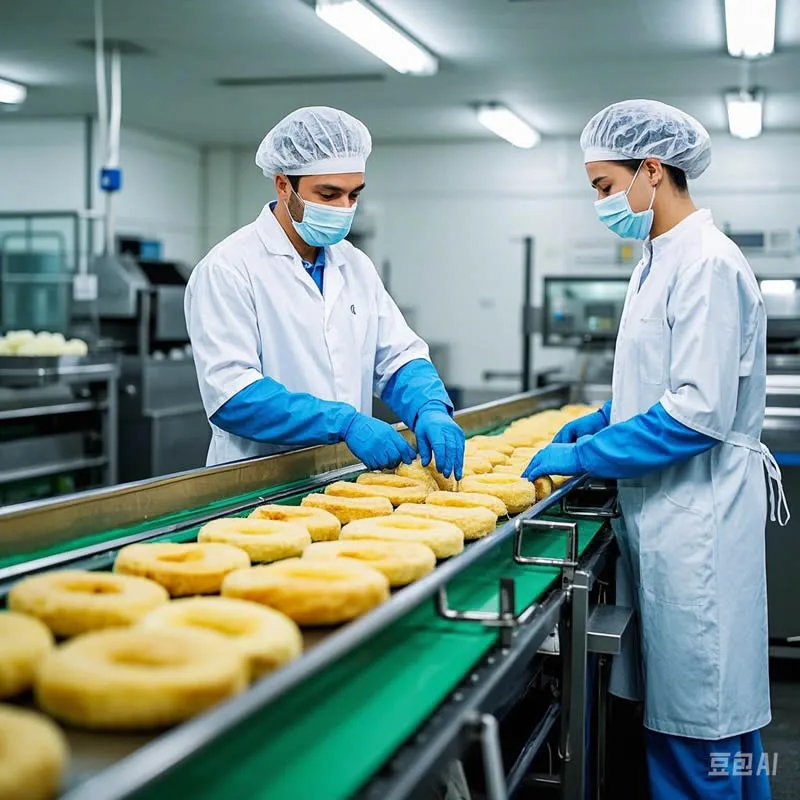




With the advancement of technology, the application of biotechnology in food processing has become increasingly widespread. By utilizing the active substances and mechanisms of living organisms, biotechnology can improve the quality of food, enhance production efficiency, and reduce environmental pollution.
First case
The first case is the application of biotransformation technology in beer brewing. Beer is a widely popular beverage, and its brewing process requires yeast to ferment sugars, producing alcohol and carbon dioxide. Traditional brewing processes require long fermentation and storage times. However, modern biotechnology has improved yeast strains through genetic engineering, enabling them to ferment sugars more quickly. This genetically modified yeast not only accelerates the fermentation process but also enhances the flavor and quality of the beer.
During the beer brewing process, several parameters need to be monitored, such as pH, temperature, dissolved oxygen, and liquid levels, in order to track the fermentation process of the beer.

Second case
The second case is the application of enzymes. Enzymes are biological catalysts that can accelerate the rate of chemical reactions, improving the efficiency and quality of food processing. For example, proteases can be used in the preparation of salted fish and cheese to enhance their quality and flavor; amylases can be applied in the production of bread and cookies to improve dough elasticity and texture.
During the use of enzymes, pH and temperature have a significant impact on enzyme activity. The KACISE pH sensor can simultaneously meet the real-time measurement of both of these parameters.