



Food & Beverage
In today’s society, the food and beverage industry is of utmost importance and is closely related to consumers’ lives. Therefore, it is necessary to go all out to produce safe and high – quality products. This not only meets the needs of consumers but also serves as the foundation for the stable development of the industry.
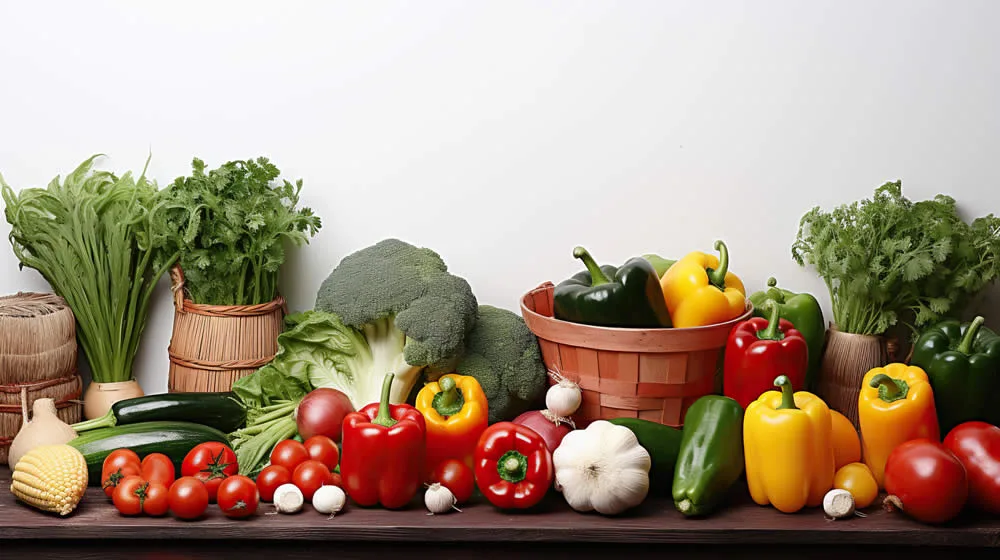
The manufacturing process of food and beverages is extremely complex. In addition to quality control, it also faces numerous challenges. For example, in ingredient management, it is necessary to control the selection, proportion, and source of raw materials to respond to consumers’ concerns about healthy ingredients. At the same time, it is necessary to improve enterprise efficiency and competitiveness by optimizing processes and introducing technologies. Moreover, global environmental issues also bring pressure, such as water resource utilization, packaging environmental protection, and carbon emissions. With years of experience, KACISE provides professional support to the industry in terms of ingredients, efficiency, environmental protection, etc., helping enterprises achieve a win – win situation.
Cases
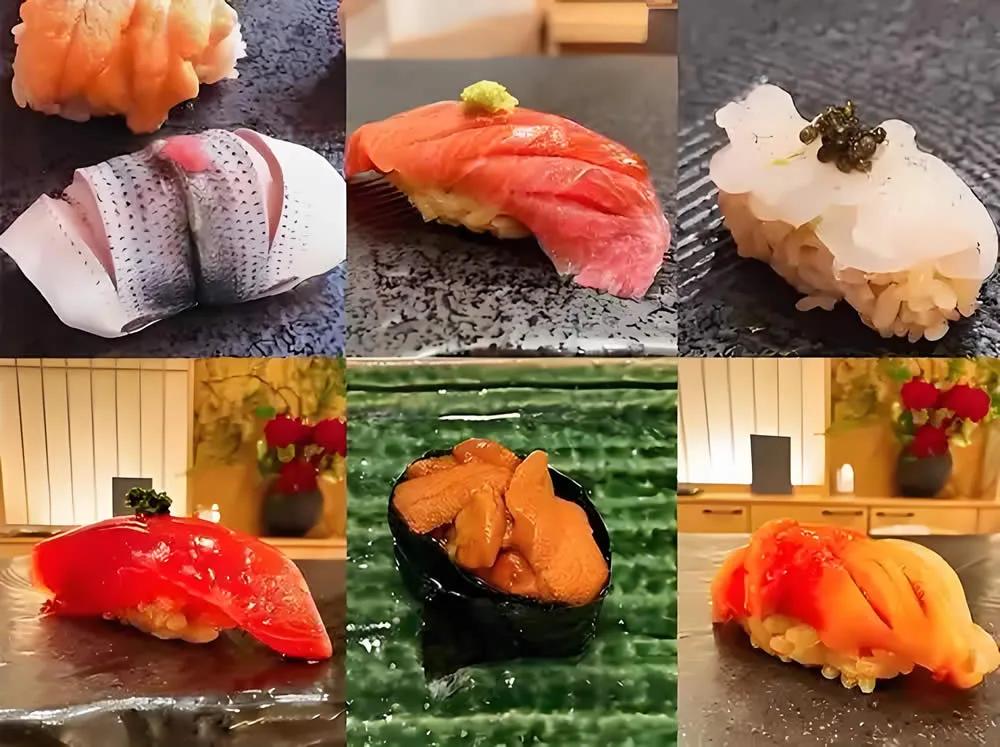
Japanese People Can’t Do Without Fermented Foods – From Global Times / December 18, 2024 / Page 009
The Mizkan Museum in Handa, Aichi Prefecture, Japan, introduces the vinegar – making process in the early 19th century. Nakano Matasaburo, the first – generation founder of Mizkan, made red vinegar from the leftover lees after brewing. At that time, expensive rice vinegar was mostly used for sushi in Japan. Red vinegar was inexpensive and delicious, suitable for making sushi, and was well – received. It not only started the glory of Mizkan but also promoted the popularization of sushi in Japan.
During the fermentation process of grain vinegar, the oxidation of alcohol to acetic acid by acetic acid bacteria requires the participation of oxygen. The temperature in the acetic acid fermentation stage is controlled at about 30 – 35℃. The pH value of edible vinegar is between 2.4 and 3.4, and finally, filtration is carried out.
The production of vinegar covers multiple key stages, and strict control of parameters in each stage is required to ensure quality.
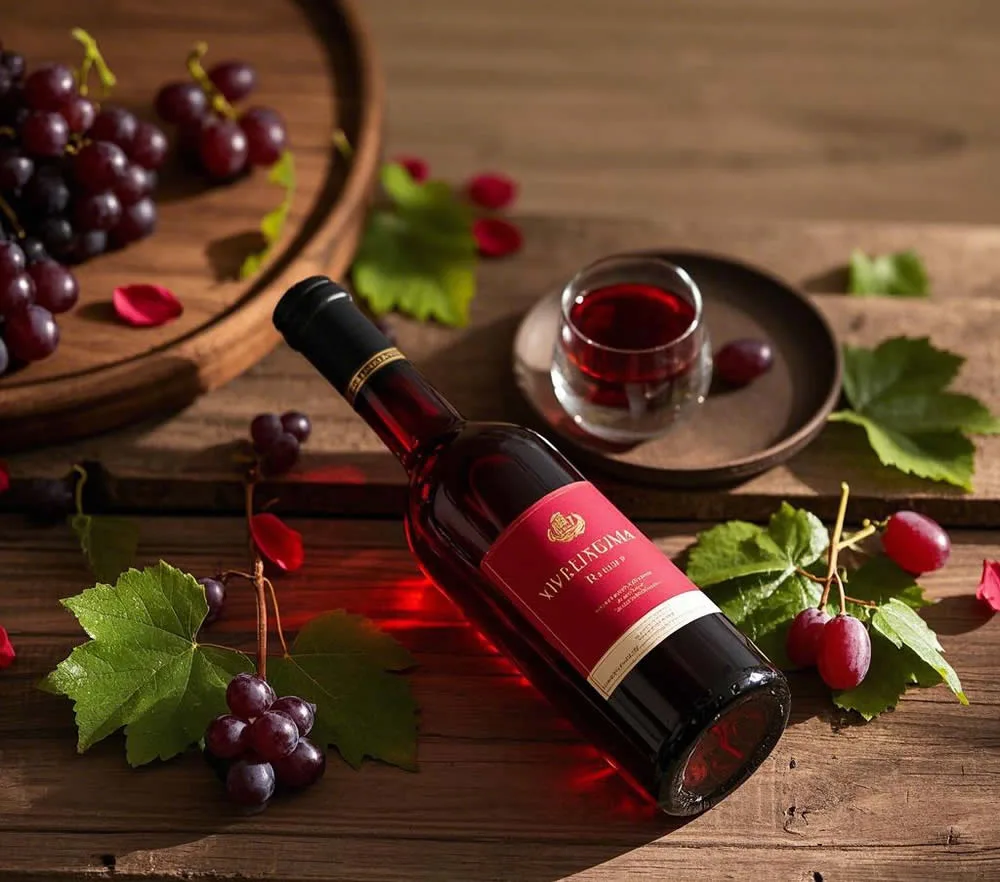
Italian Wine Making
Wine making involves multiple crucial stages, each with important control parameters.
During the grape harvesting stage, the maturity parameters are of great significance. For red grapes like Sangiovese used to make Chianti wine, the potential alcohol content should reach about 12 – 13% abv. For white grapes such as Pinot Grigio, the total acidity is around 6 – 7g/L. The maturity of phenolic substances also needs to be considered, such as the tannin maturity of Nebbiolo. In terms of the harvesting method, manual harvesting should avoid damaging the grapes and send them to the winery within 2 – 3 hours. For mechanical harvesting, parameters like the vibration frequency need to be adjusted to prevent damage to grapes with thin skins.