



From Global Times / December 18, 2024 / Page 009
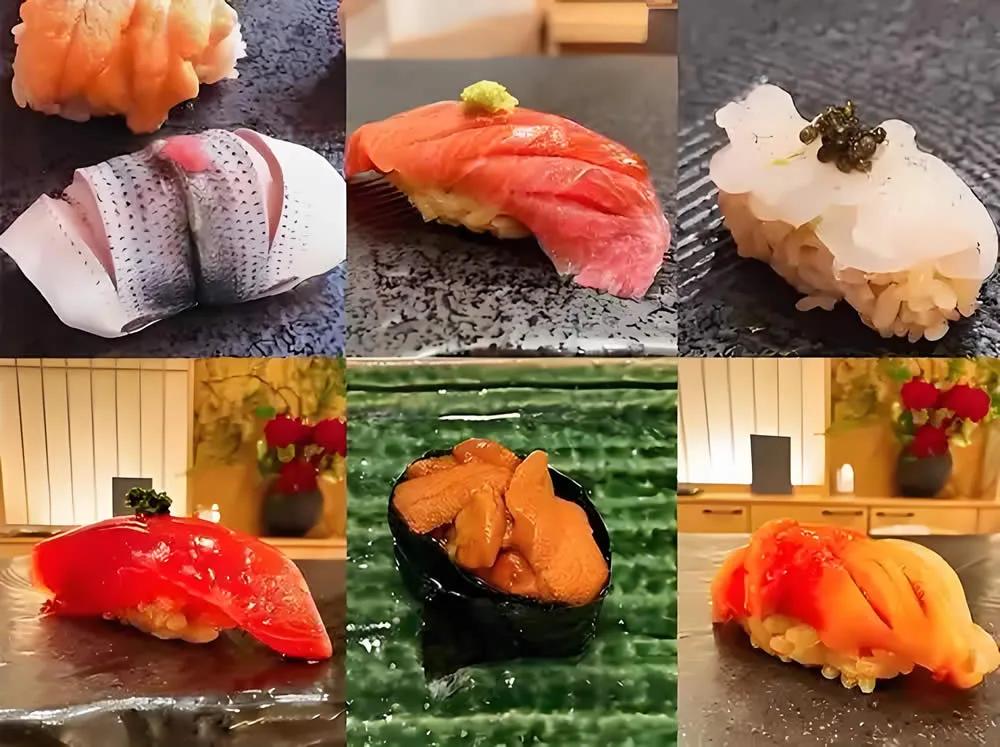
The diet of the Japanese people is inseparable from fermented foods, and red vinegar can be said to have once been the representative of Japanese fermented foods. It was its popularity that contributed to the promotion and development of sushi throughout Japan. Vinegar is said to be the world’s oldest seasoning.
The Mizkan Museum in Handa, Aichi Prefecture, Japan, introduces the vinegar – making process in the early 19th century. Nakano Matasaburo, the first – generation founder of Mizkan, made red vinegar from the leftover lees after brewing. At that time, expensive rice vinegar was mostly used for sushi in Japan. Red vinegar was inexpensive and delicious, suitable for making sushi, and was well – received. It not only started the glory of Mizkan but also promoted the popularization of sushi in Japan.
During the fermentation process of grain vinegar, the oxidation of alcohol to acetic acid by acetic acid bacteria requires the participation of oxygen. The temperature in the acetic acid fermentation stage is controlled at about 30 – 35℃. The pH value of edible vinegar is between 2.4 and 3.4, and finally, filtration is carried out.The production of vinegar covers multiple key stages, and strict control of parameters in each stage is required to ensure quality.
Raw Material Processing Stage: The quality of raw materials is crucial. The moisture content of grain raw materials should be preferably 13% – 15%. Improper moisture content will affect steaming. For fruit raw materials such as grapes, a sugar content of 16% – 22% can meet the fermentation requirements. Use water that meets the drinking water standard for cleaning to avoid contamination. Grinding grains to 2 – 4mm is beneficial for starch gelatinization. The steaming temperature is 100 – 120℃, and the time is 30 – 90 minutes to fully gelatinize the starch.
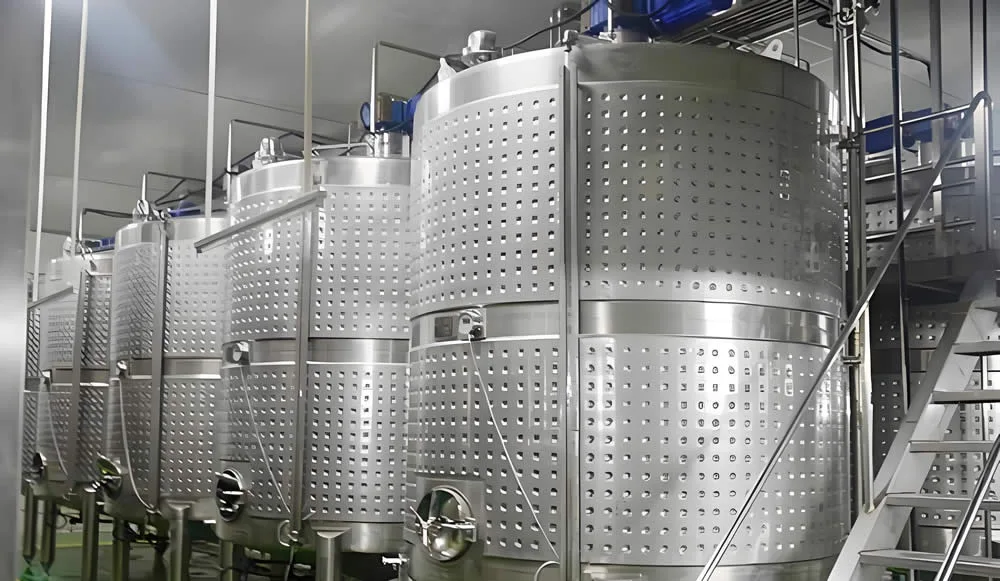
Saccharification Stage (if any): The temperature is 55 – 65℃. The activity of amylase is high at 60℃, which can effectively saccharify starch. The saccharification time is 2 – 6 hours to ensure the full conversion of starch. The amount of enzyme used is determined according to the raw materials and process, and the type of saccharifying enzyme also needs to be selected correctly.
Alcoholic Fermentation Stage: The temperature is 25 – 35℃, and 28 – 32℃ is the best, which affects yeast activity. The time is 3 – 7 days, varying depending on the raw materials and strains. The fermentation is judged to be complete when the alcohol content reaches 8% – 12%. The pH value is 4.0 – 5.0, which is conducive to the growth of yeast and inhibits miscellaneous bacteria. The inoculation amount is 5% – 10%, which can quickly start the fermentation.
Acetic Acid Fermentation Stage: The temperature is 30 – 35℃, and 32 – 34℃ is conducive to the oxidation of alcohol by acetic acid bacteria. The time is 7 – 15 days, and the end – point is determined according to the acetic acid content of 4% – 6%. The aeration rate is 0.05 – 0.15m³/(m³·min) to ensure the oxygen demand of acetic acid bacteria. The pH value is 3.0 – 4.0, which accumulates acetic acid and inhibits bacteria.
Aging Stage (if any): The temperature is 10 – 20℃, and the time is 3 – 12 months. Aging containers such as ceramics and oak barrels affect the flavor of vinegar.
Filtration and Packaging Stage: The filtration accuracy of ordinary edible vinegar is 0.2 – 1μm to ensure the appearance. The total number of microbial colonies in the packaging workshop is less than 1000CFU/m³, and the temperature is 18 – 25℃ to ensure the stability of vinegar.
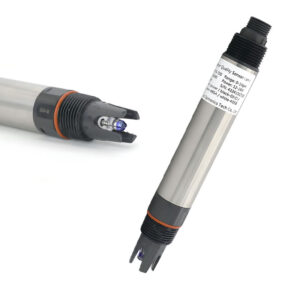
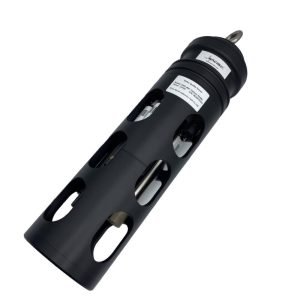
To achieve the above – mentioned parameters, we need to introduce KACISE’s KLSV606 food – grade capacitive liquid level gauge, temperature sensor, pH sensor, dissolved oxygen sensor, turbidity sensor, and flowmeter, as follows:
-
 KWS-960C Online Turbidity Sensor with RS485
-
KSLV605 Capacitive Level Sensor with Display
-
KWS-700A Online pH Sensor | Industrial Sewage Monitoring
-
KWS-630 Fluorescence Dissolved Oxygen Sensor
-
KSLV605 Capacitive Level Transmitter – Oil Tank Truck Measurement, without display
-
KWS-800 Online Multi-Parameter Water Quality Monitoring System