



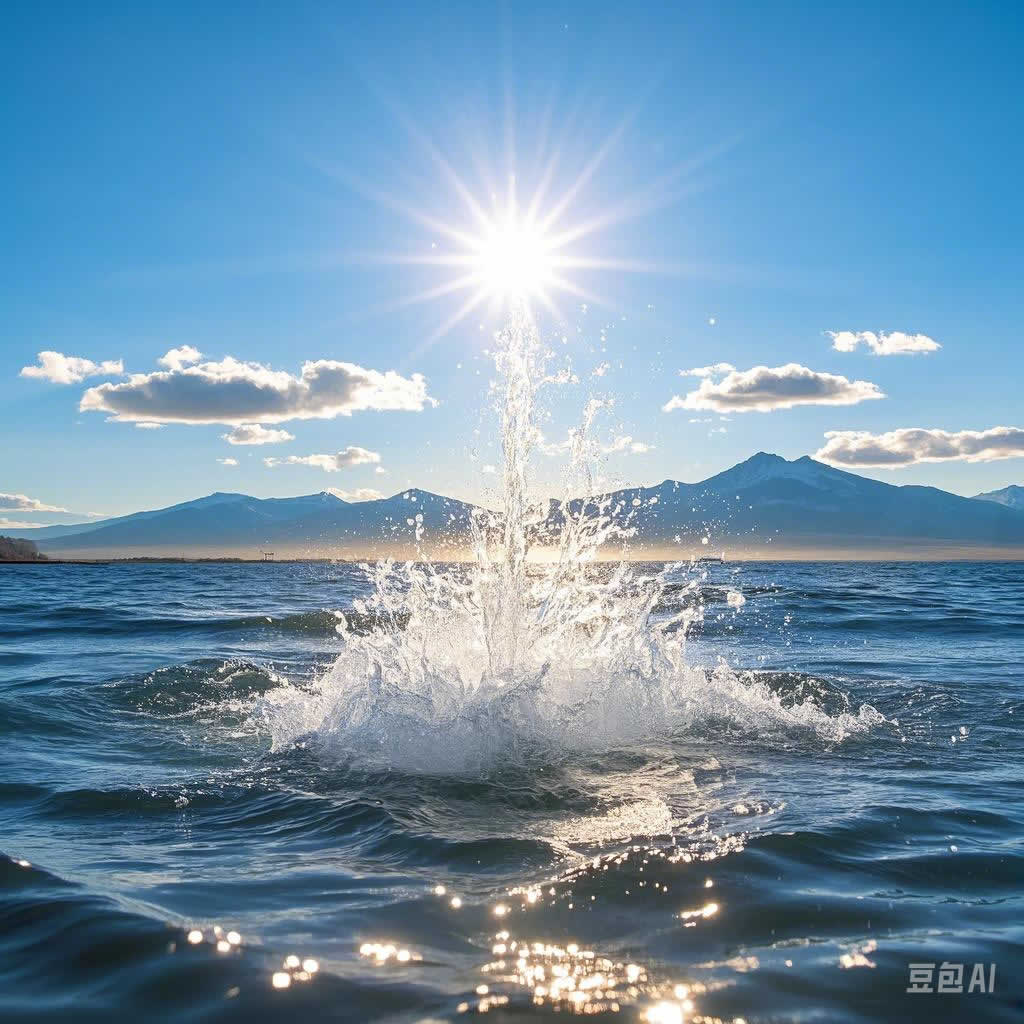
Water Source Monitoring
Kacise Water Source Monitoring
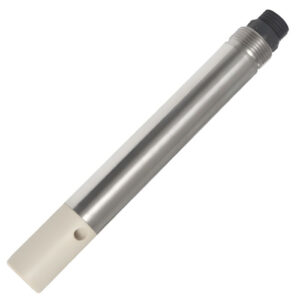
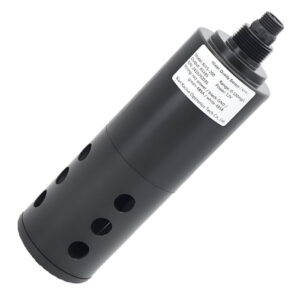
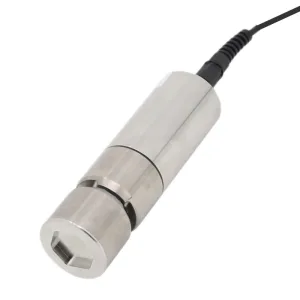
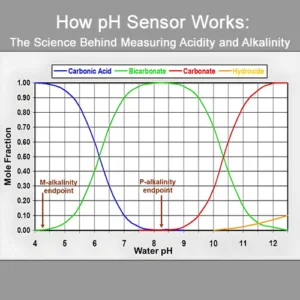
Kacise’s water source monitoring system enables real-time, accurate monitoring of various water bodies. It not only monitors surface water, such as rivers, lakes, and reservoirs, but also comprehensively manages groundwater resources, including both shallow and deep water. By utilizing multi-parameter sensors, Kacise monitors water quality indicators such as pH, dissolved oxygen, turbidity, ammonia nitrogen, and heavy metals in real time, helping water managers promptly identify pollution sources and ensure drinking water safety. Whether it’s reservoir operation, agricultural irrigation, urban water supply, or industrial water use, Kacise provides scientific data support, offering strong technical support for sustainable water resource management and ecological protection.
Surface Water Source Monitoring

Rivers Source Monitoring
Rivers monitoring is essential for tracking water quality and detecting pollution early. Real-time water source monitoring provides data to support safe drinking water and ecological protection.
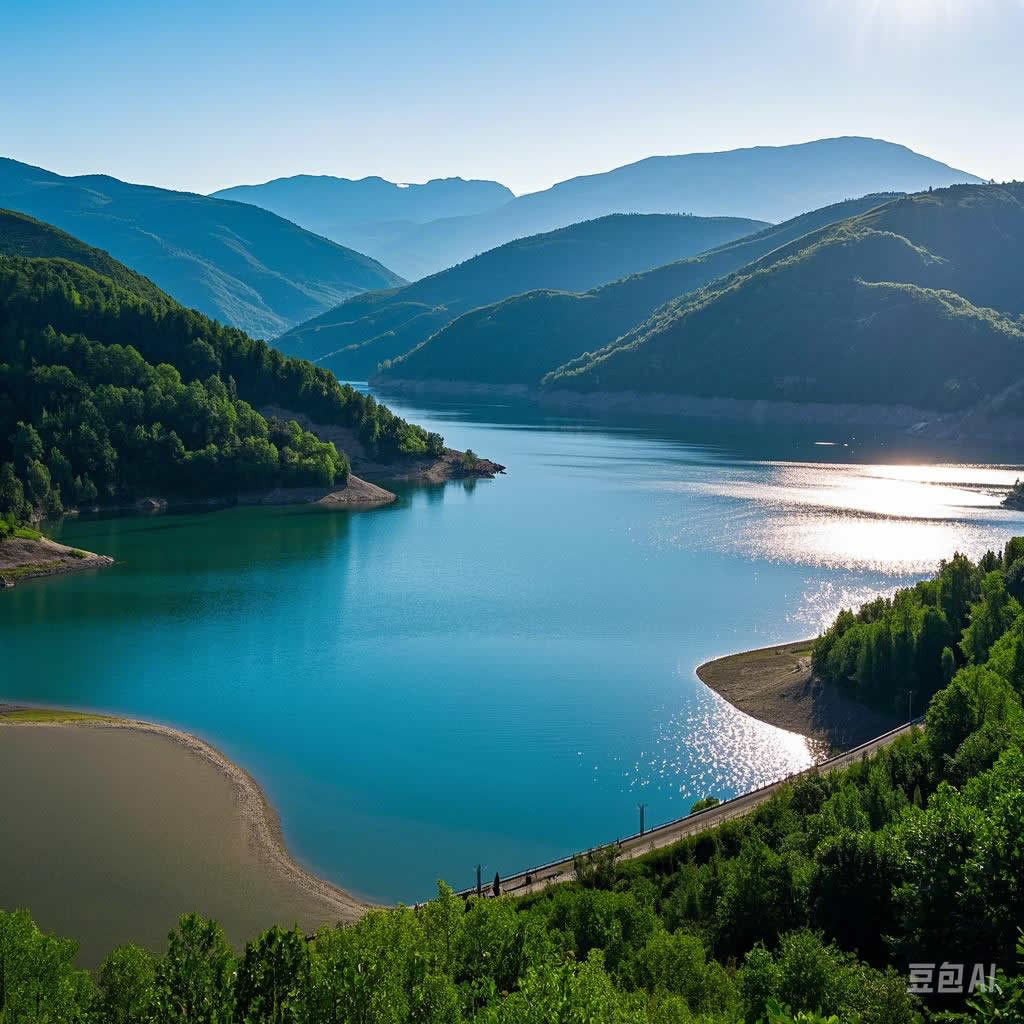
Lakes Source Monitoring
Lakes monitoring focuses on maintaining ecological balance and water safety. Through water source monitoring, key indicators such as nutrients, dissolved oxygen, and microbial levels are continuously tracked.
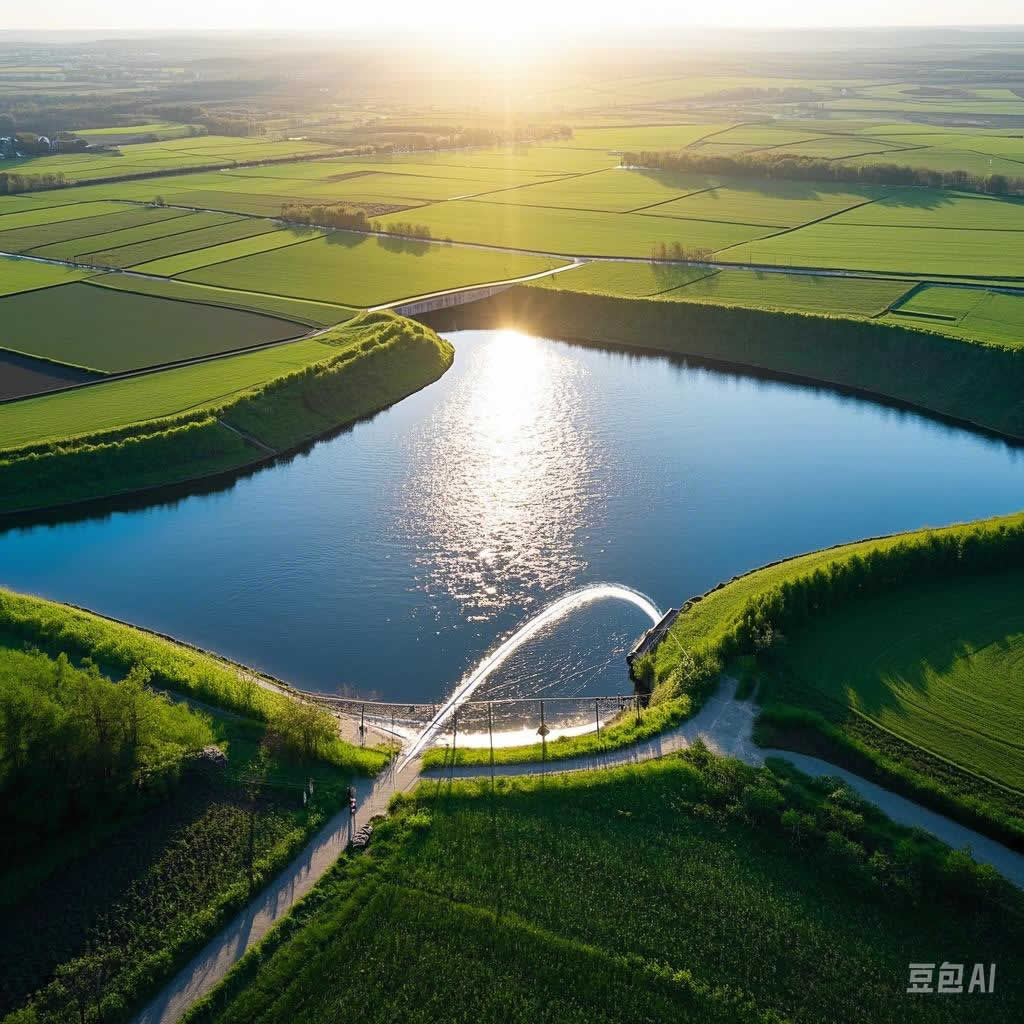
Reservoirs Source Monitoring
Reservoirs monitoring ensures the safety of water storage for drinking, irrigation, and industrial use. Continuous water source monitoring helps detect pollutants and maintain water quality standards.
Groundwater Monitoring:
Shallow Groundwater Monitoring
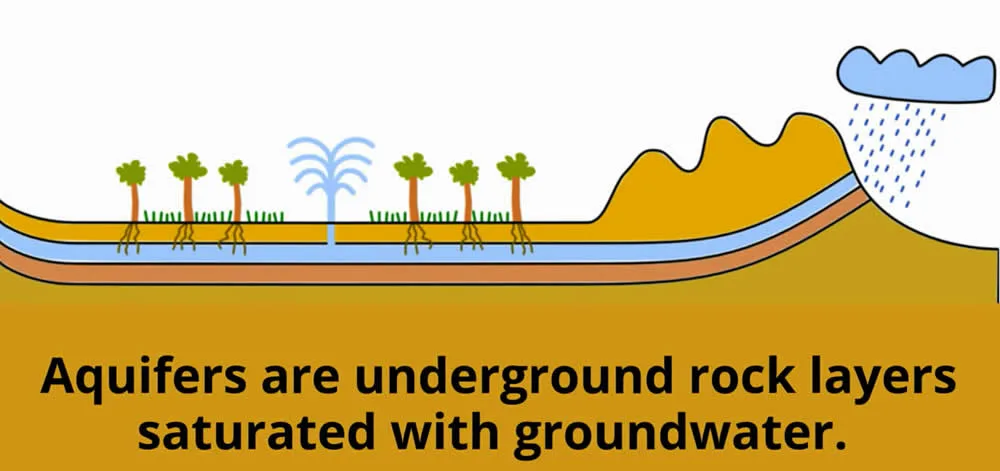
Shallow groundwater monitoring tracks water quality near the surface, vulnerable to agricultural runoff and surface contamination. It is a critical part of water source monitoring for early pollution detection.
Deep Groundwater Monitoring
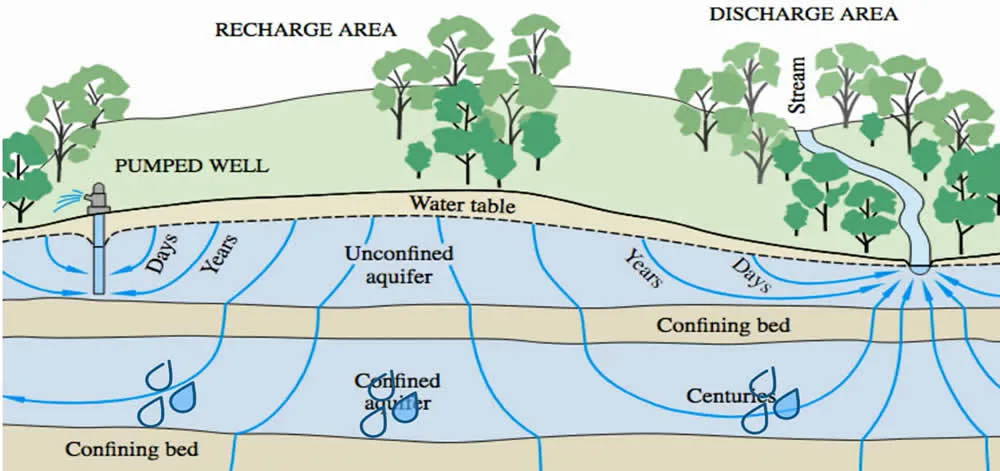
Deep groundwater monitoring focuses on aquifers that supply wells and large-scale water systems. Effective water source monitoring ensures long-term water safety and sustainable management.
Blended Water Monitoring:


Blended water monitoring, including seawater, brackish water, or mixed water sources, emphasizes key parameters such as salinity, total dissolved solids (TDS), heavy metals, and organic content. Effective water source monitoring of blended waters ensures the safe operation of industrial processes, water treatment plants, and desalination systems. With real-time water source monitoring, potential contamination can be detected promptly, enabling timely interventions and safeguarding both water quality and the surrounding ecosystem.
Why water source monitoring?
Water source monitoring is crucial for ensuring safe drinking water, preventing water pollution, protecting the environment, and managing water resources efficiently. By continuously tracking water quality and quantity in rivers, lakes, reservoirs, and groundwater, it helps detect pollution sources early, prevent contamination, and maintain compliance with safety standards. Real-time monitoring enables timely responses to industrial discharges, agricultural runoff, or unexpected pollution events, safeguarding both public health and ecosystems. With advanced technologies like multi-parameter sensors, wireless data transmission, and AI-powered analysis, modern water source monitoring systems provide accurate, actionable insights, supporting sustainable water management and effective pollution prevention.
How to prevent water source pollution?
Preventing water source pollution starts with effective water source monitoring. Continuous water source monitoring helps detect pollutants early, such as chemicals, heavy metals, and microbes, allowing timely action. For instance, for surface water and groundwater, key parameters to focus on include suspended solids, dissolved oxygen, heavy metals, and organic matter. For blended waters like seawater, monitoring should emphasize salinity, TDS, and heavy metals; for reclaimed water, the focus is on organic matter, suspended solids, and biodegradable substances. Combining water source monitoring with proper waste management, control of industrial and agricultural discharges, and natural buffer zones protects rivers, lakes, reservoirs, and groundwater. Modern water source monitoring systems, like Kacise, provide real-time data to ensure safe water for drinking, irrigation, and ecosystem health.
1. Real-time Monitoring
Water quality sensors can be installed at various locations such as water intake points, rivers, lakes, etc., to collect water quality data in real-time. Using advanced technologies like wireless transmission, the data is quickly sent to the monitoring center. This enables relevant personnel to keep track of water quality changes and take immediate action if any anomalies are detected.
2. Early Warning
By setting threshold values for water quality indicators, the system automatically issues an alert when sensor readings exceed these values. For example, when dissolved oxygen levels fall below a preset minimum value, the warning system will promptly notify relevant departments of potential water pollution or ecological issues, requiring timely investigation and action.
3. Providing Basis for Water Treatment
The data provided by water quality sensors supports water treatment plants and sewage treatment plants in optimizing their processes. Based on the actual water quality of the source water, operators can accurately adjust the dosage of disinfectants, optimize filtration processes, etc., ensuring that the treated water meets all required standards.
Kacise will help you select the appropriate water quality analysis equipment and technology to ensure that the source water meets various standards during the treatment process.