







Surface water quality monitoring
What is surface water?
Surface water refers to the general term for dynamic and static water on the land surface, also known as “land water”, including various liquid and solid water bodies, mainly rivers, lakes, swamps, glaciers, ice sheets, etc.
Why monitor surface water?
Surface water (such as rivers, lakes, reservoirs, and wetlands) is a vital component of ecosystems and human life. It serves as habitat for biodiversity and is a crucial source of water for agricultural irrigation, industrial use, and urban water supply. Real-time monitoring of key water quality parameters (such as dissolved oxygen, pH, turbidity, ammonia nitrogen, and total phosphorus/total nitrogen ratio) enables timely detection of pollution changes, early warning of ecological risks, and guidance for emergency management and remediation efforts. For example, when dissolved oxygen (DO) falls below 5 mg/L, sensitive fish may experience stress; below 3 mg/L, the risk of hypoxia increases significantly. Early alerts and intervention through online systems can reduce pollution response time from days to hours, thereby preventing ecological disasters and water safety incidents.
Common Surface Water Pollution Indicators and Their Significance
Below is an overview of key monitoring parameters and their early warning significance:
| Phenomenon Type | Key Parameter | Unit | Typical Threshold / Significance | Recommended Response |
|---|---|---|---|---|
| Biological oxidation & self-purification | Dissolved Oxygen (DO) | mg/L | < 5 mg/L: ecological stress; < 3 mg/L: severe hypoxia | Initiate inspections, identify nutrient sources, deploy aeration facilities |
| Acid-base anomalies | pH | — | Abnormally low or high (e.g., < 6 or > 9) may harm aquatic organisms | Check chemical discharge sources, operate adjustment devices |
| Turbidity / Suspended solids surge | Turbidity (Turbidity) | NTU | Sudden increase may indicate sediment or pollution; drinking water typically requires < 1 NTU | Collect samples for TSS laboratory analysis, trace pollution sources |
| Nutrient enrichment | Ammonia Nitrogen (NH₄⁺-N) | mg/L | Exceeding limits in agricultural or wastewater receiving waters indicates load | Increase online monitoring points, schedule mitigation measures |
| Eutrophication risk | Total Phosphorus (TP) / Total Nitrogen (TN) | mg/L | Exceeding thresholds may trigger algal blooms | Implement load reduction, enter ecological restoration phase |
Note: Thresholds refer to industry standards and research data and should be adjusted according to the specific watershed or local standards.
Surface water pollution
| Changes in sensory characteristics | Changes in chemical properties | Abnormal biological indicators |
| Abnormal color | Imbalance of acidity and alkalinity (abnormal pH value) | Reduction in the species of aquatic organisms |
| Increased turbidity | Change in dissolved oxygen content | Alteration of biological community structure |
| Changed odor | Exceeding the standard of heavy metals and harmful substances | Breeding of pathogenic microorganisms |
| Increased foam and floating substances | Imbalance of nutrient elements (mainly nitrogen, phosphorus, etc.) | / |
How to prevent and control surface water pollution?
Water quality sensors can measure multiple key parameters of surface water in real time. For example, dissolved oxygen sensors can accurately measure the dissolved oxygen content in water, reflecting the self-purification ability of water bodies and the living conditions of aquatic organisms; pH sensors can quickly obtain the pH of water bodies, because different aquatic organisms have different pH ranges for survival, and this parameter is critical for judging the ecological suitability of water bodies; and turbidity sensors can reflect the turbidity of water bodies, indirectly reflecting the amount of suspended solids in water, and then understand whether the water body is polluted by sediment, impurities, etc. Through chemical oxygen demand (COD) sensors, biochemical oxygen demand (BOD) sensors, ammonia nitrogen sensors, total phosphorus and total nitrogen sensors, etc., the degree of organic pollution in water bodies and the content of nutrient elements can be known respectively. Combining the data measured by these sensors, the real-time water quality of surface water can be fully and accurately grasped.
Surface water quality monitoring solutions
Water level measurement: Water level measurement refers to the process of measuring the height of the water surface relative to a certain reference plane.


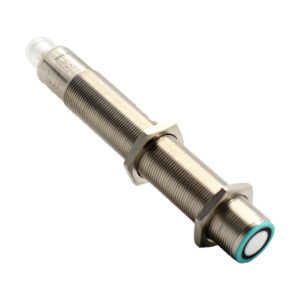
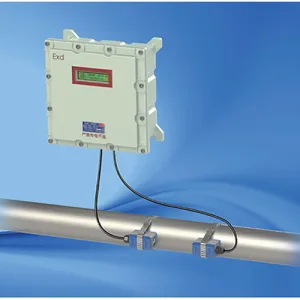
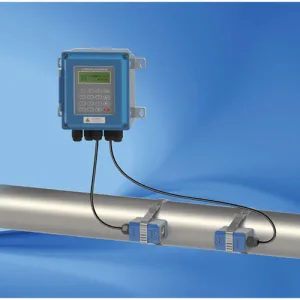
Flow measurement: It mainly measures the amount of fluid passing through a certain cross section per unit time. This amount can be volume, called volume flow; it can also be mass, called mass flow.
-
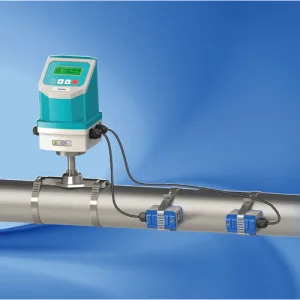
 KUF100B Economical Ultrasonic Transit-Time Flow Meter
-
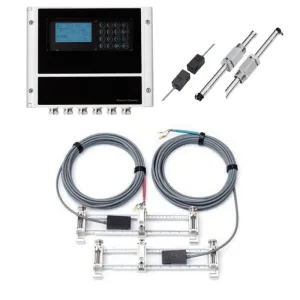
KUFF2000 Fixed Clamp On Type Ultrasonic Flow Meter
-
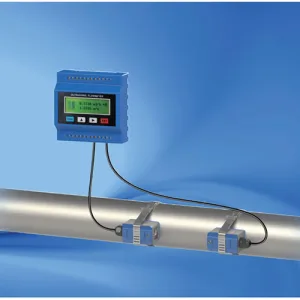
KUFM2000 Clamp On Type Ultrasonic Flow Meter Modu
-
KUFS2000C Explosion-Proof Clamp On type Ultrasonic Flow Meter
-
KUFS2000B Panel Mount Clamp On type Ultrasonic Flow Meter
-
KUFS2000A2 Wall Mount Clamp On type Ultrasonic Flow Meter

Kacise advantages

Find the source of pollution
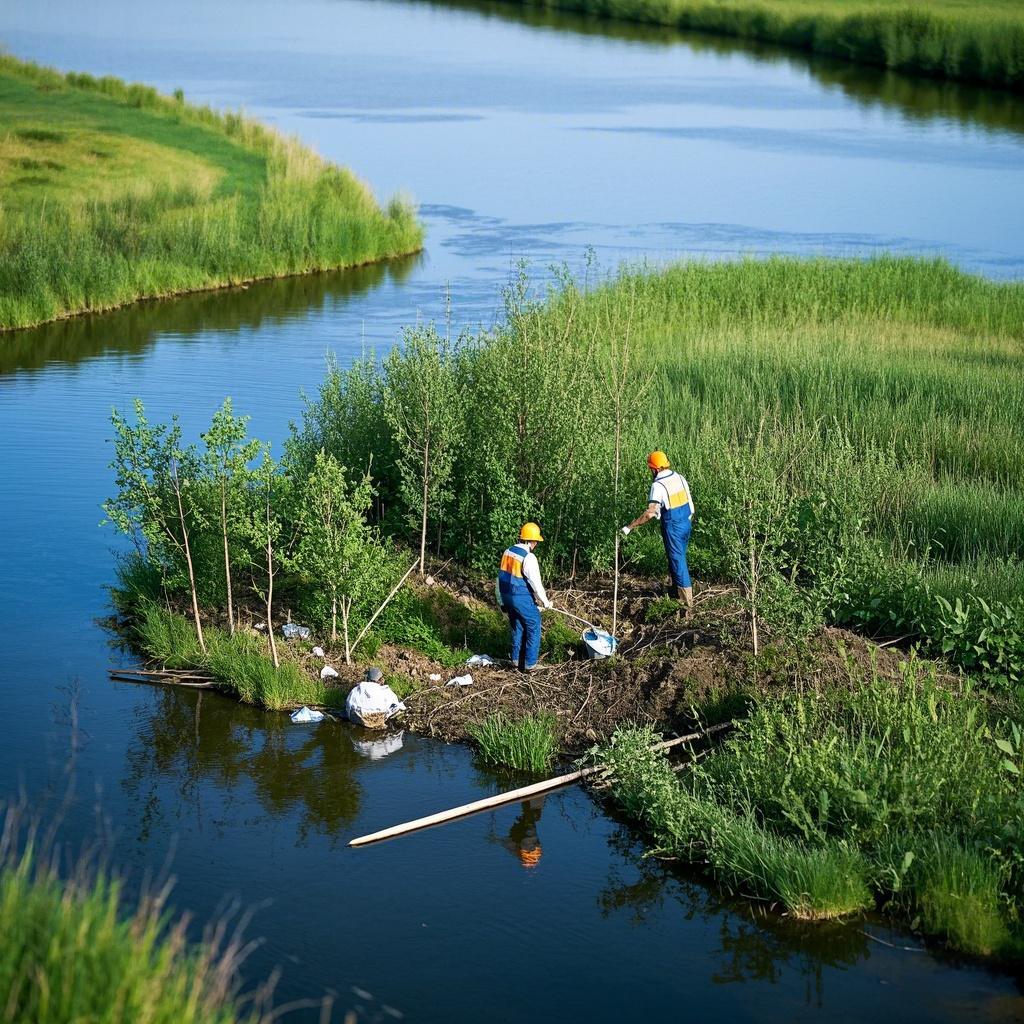
When abnormal water quality is found in a certain area of surface water, more water quality sensors can be deployed along the direction of water flow around possible pollution sources (such as upstream factory sewage outlets, domestic sewage discharge points, agricultural drainage channels, etc.) for encrypted monitoring. Compare and analyze the data fed back by sensors at different locations, observe the changing trends of the concentrations of various pollutants, and use data analysis and professional tracing models to roughly determine the source of pollution. For example, through analysis, it is found that the increase in ammonia nitrogen content in a certain river section started near the sewage outlet of a factory upstream, so the production and sewage discharge of the factory can be investigated in detail, providing strong support for accurately locating the source of pollution and carrying out subsequent governance and law enforcement work.
Assisting in the ecological restoration of wetlands and rivers
In ecological restoration projects such as wetlands and rivers, water quality sensors play the role of “monitoring sentinels”. During the restoration process, sensors are used to monitor the changes in water quality in real time, and the implementation effect of restoration measures can be intuitively understood. For example, the control of nutrient elements can be judged by monitoring the changes in total phosphorus and total nitrogen content, and the effectiveness of sedimentation control can be evaluated based on turbidity changes. According to the data fed back by the sensors, restoration plans and technical means can be adjusted in a timely manner, the ecological restoration process can be optimized, and surface water ecosystems such as wetlands and rivers can be restored to a healthy state as soon as possible, thereby improving their ecological service functions.
Ensure the safety of drinking water sources
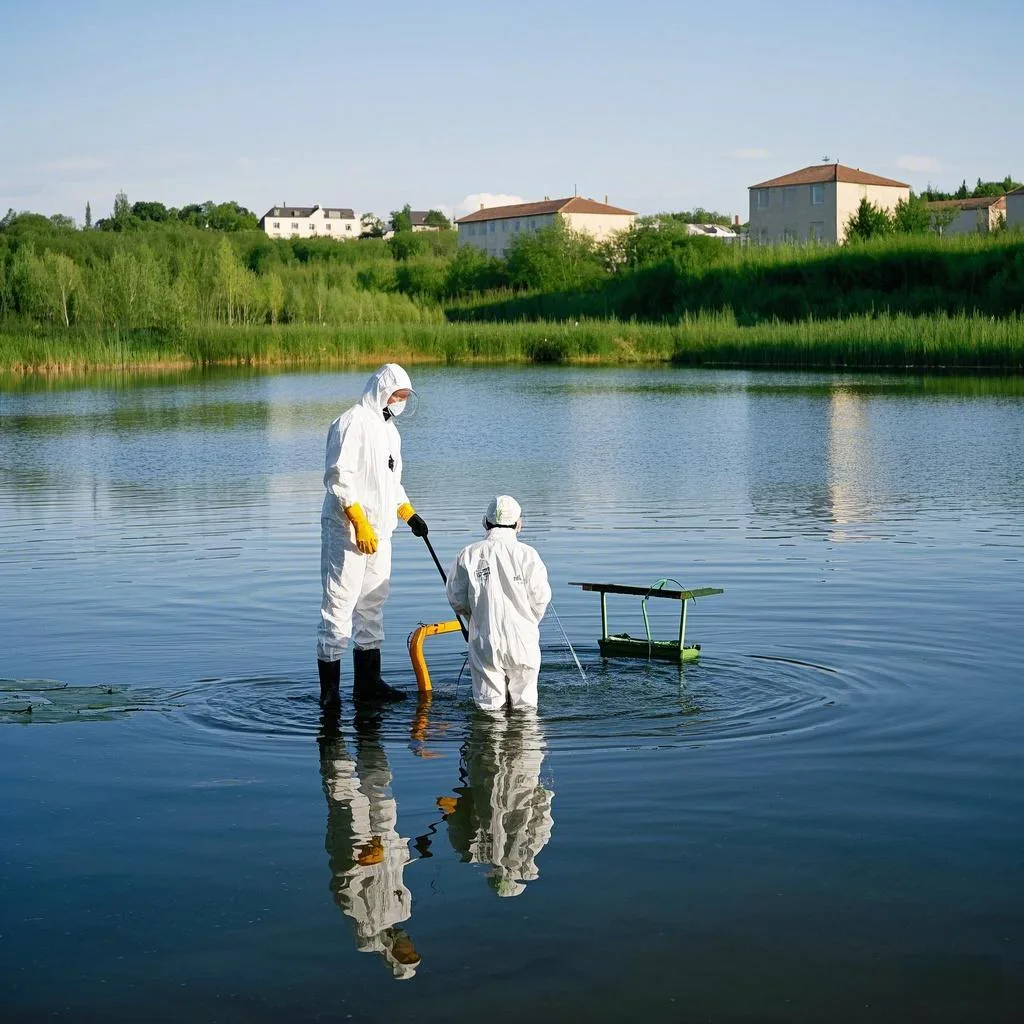
For surface water that is a source of drinking water, water quality sensors are even more indispensable. Multiple monitoring points are set up at the water source and its upstream, equipped with various high-precision sensors such as bacteria sensors, virus sensors, and trace organic pollutant sensors to closely monitor the water quality of the water source and ensure that all water quality indicators meet the drinking water hygiene standards. Once the sensor detects the presence of substances that potentially threaten the safety of drinking water, it will issue an alarm in time, and the relevant departments can quickly activate the emergency water supply plan, and take measures to purify the water source, check the source of pollution, and fully ensure the safety and hygiene of residents’ drinking water.
Do you know where surface water works?
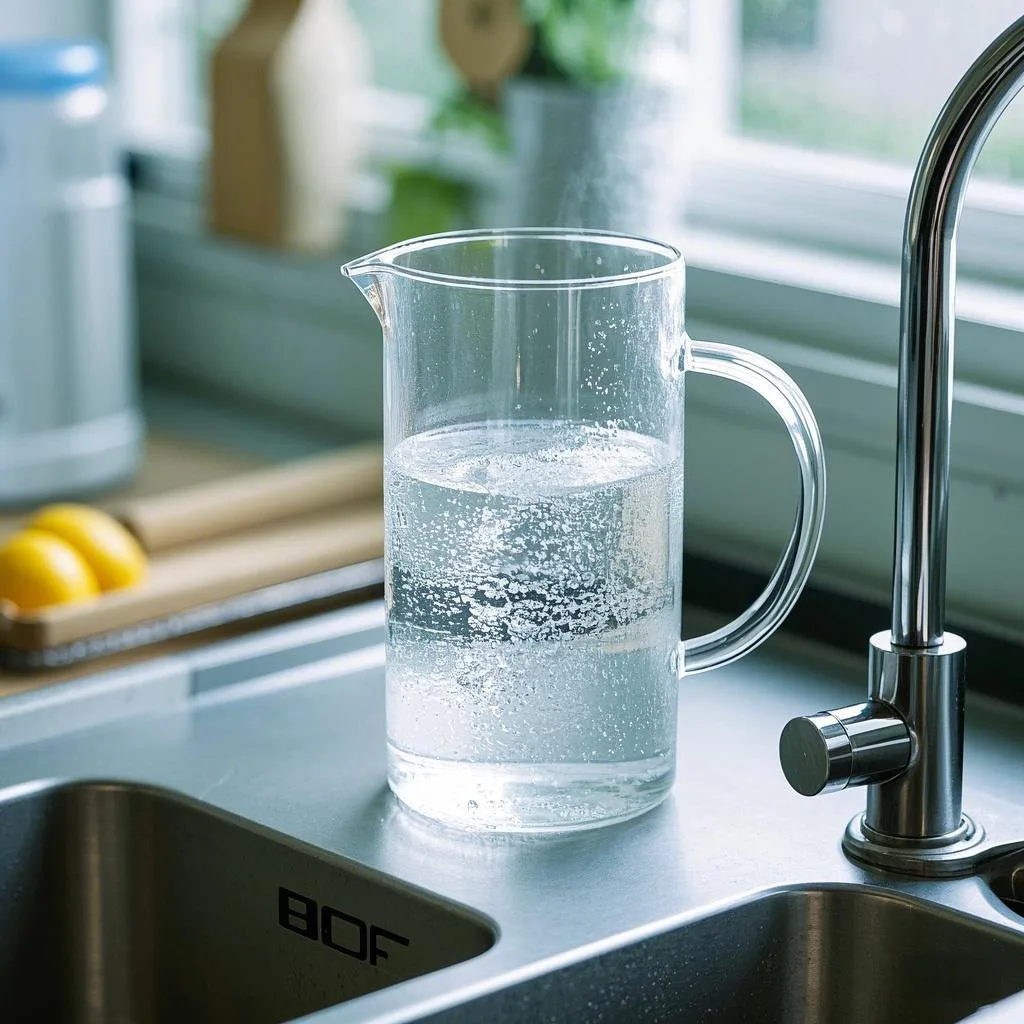
Domestic water
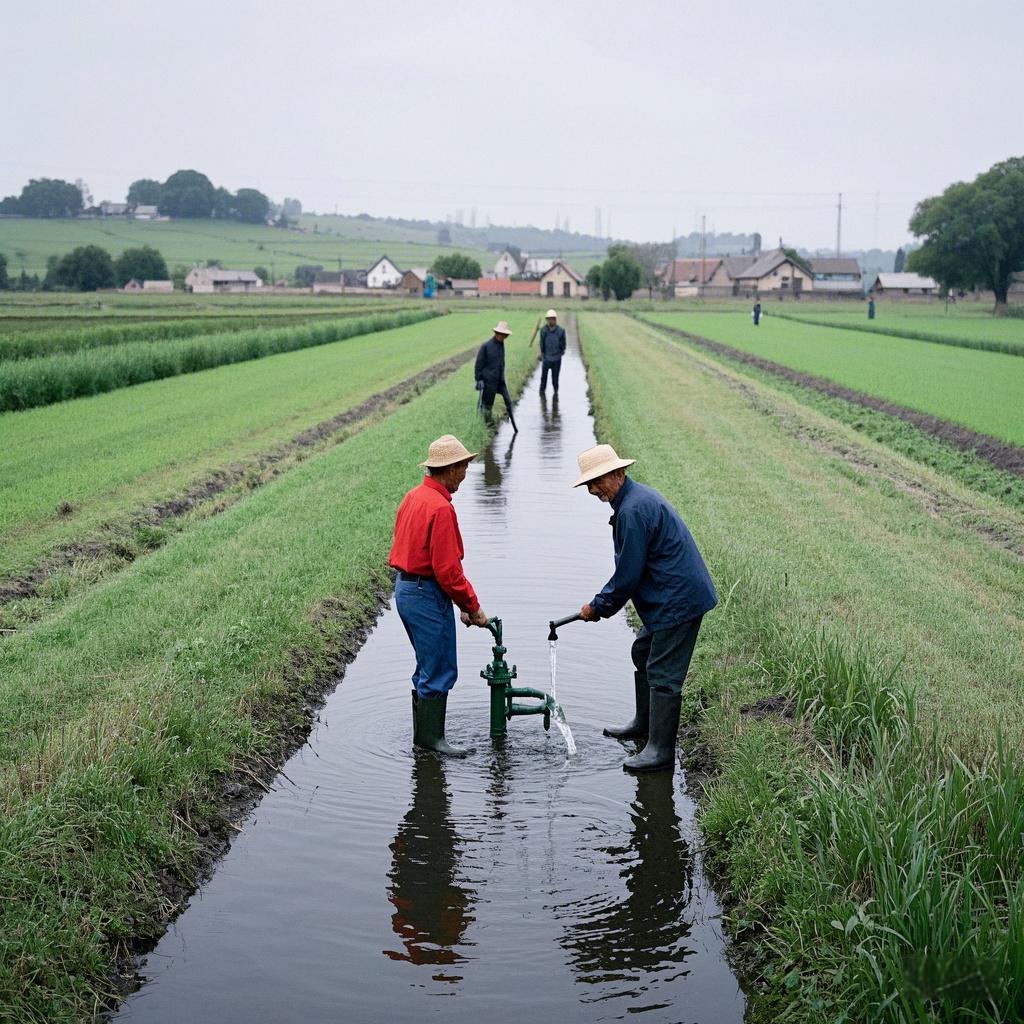
Agricultural irrigation
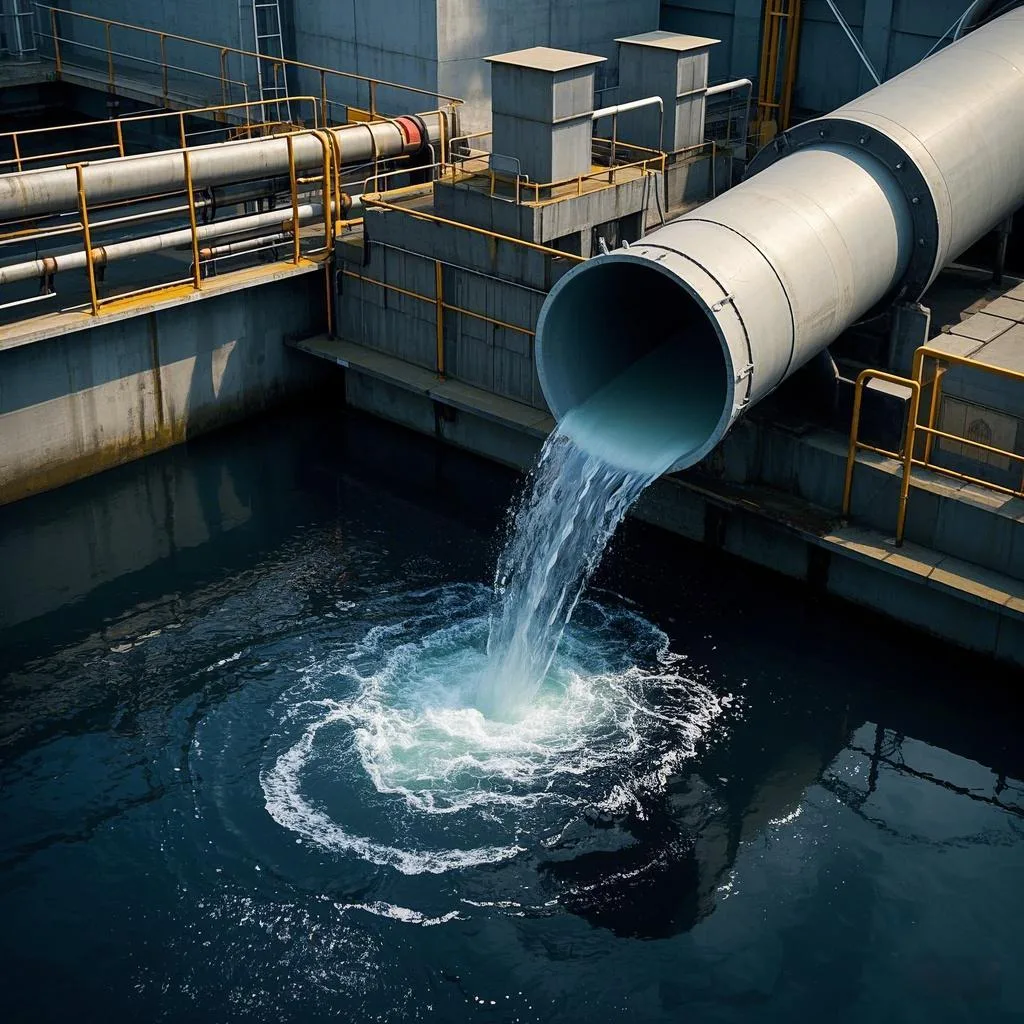
Industrial water

Ecological environment maintenance

Inland waterway transportation


