







In the field of modern industrial measurement, radar technology has become an important tool for liquid level and material level measurement. Among them, 80G radar and guided wave radar are two common technologies, but they have significant differences in working principles, application scenarios and performance. So, which one has more advantages? KACISE will analyze it in detail in an easy-to-understand way, combined with pictures, texts and tables.
What are 80G radar and guided wave radar?
(1) 80G radar
80G radar is a high-frequency radar that operates at 80GHz. It measures the distance of an object by emitting high-frequency electromagnetic waves and receiving reflected signals. Due to its high frequency and short wavelength, 80G radar can achieve high-precision measurement, especially suitable for complex working conditions.

(2) Guided wave radar
Guided wave radar is a radar based on guided wave technology, usually using low-frequency electromagnetic waves (below 1GHz). It guides electromagnetic waves to the surface of the measured medium through a waveguide rod or cable, and uses the reflected signal to measure the distance. Guided wave radar is suitable for measuring complex media, such as viscous liquids or solid particles.

80G radar vs guided wave radar: core differences
In order to more intuitively compare the differences between the two, we have compiled a detailed comparison table:
| Features | 80G radar | Guided wave radar |
| Working principle | High frequency electromagnetic waves, non-contact measurement | Low frequency electromagnetic wave, contact measurement (waveguide rod required) |
| Frequency | 80GHz | Usually below 1GHz |
| Measurement accuracy | Millimeter level | Centimeter level |
| Anti-interference capability | Strong, suitable for complex working conditions | Weak, easily affected by medium characteristics |
| Installation complexity | Simple, no waveguide rod required | Complex, waveguide rod or cable needs to be installed |
| Applicable medium | Liquids, solids, powders, etc. | Viscous liquid, solid particles, etc. |
| Cost | Higher | Low |
| Maintenance requirements | Low | Waveguide rod needs to be maintained regularly |
Who has the advantage?
- Advantages of 80G radar
- High precision: The millimeter-level precision of 80G radar makes it perform well in scenarios that require high-precision measurement, such as chemical and pharmaceutical industries.
- Strong anti-interference ability: High-frequency signals can penetrate interference such as steam and dust, and are suitable for complex working conditions.
- Non-contact measurement: No need to contact the medium, simple installation, and low maintenance cost.
- Wide applicability: It can be used for a variety of media such as liquids, solids, and powders.
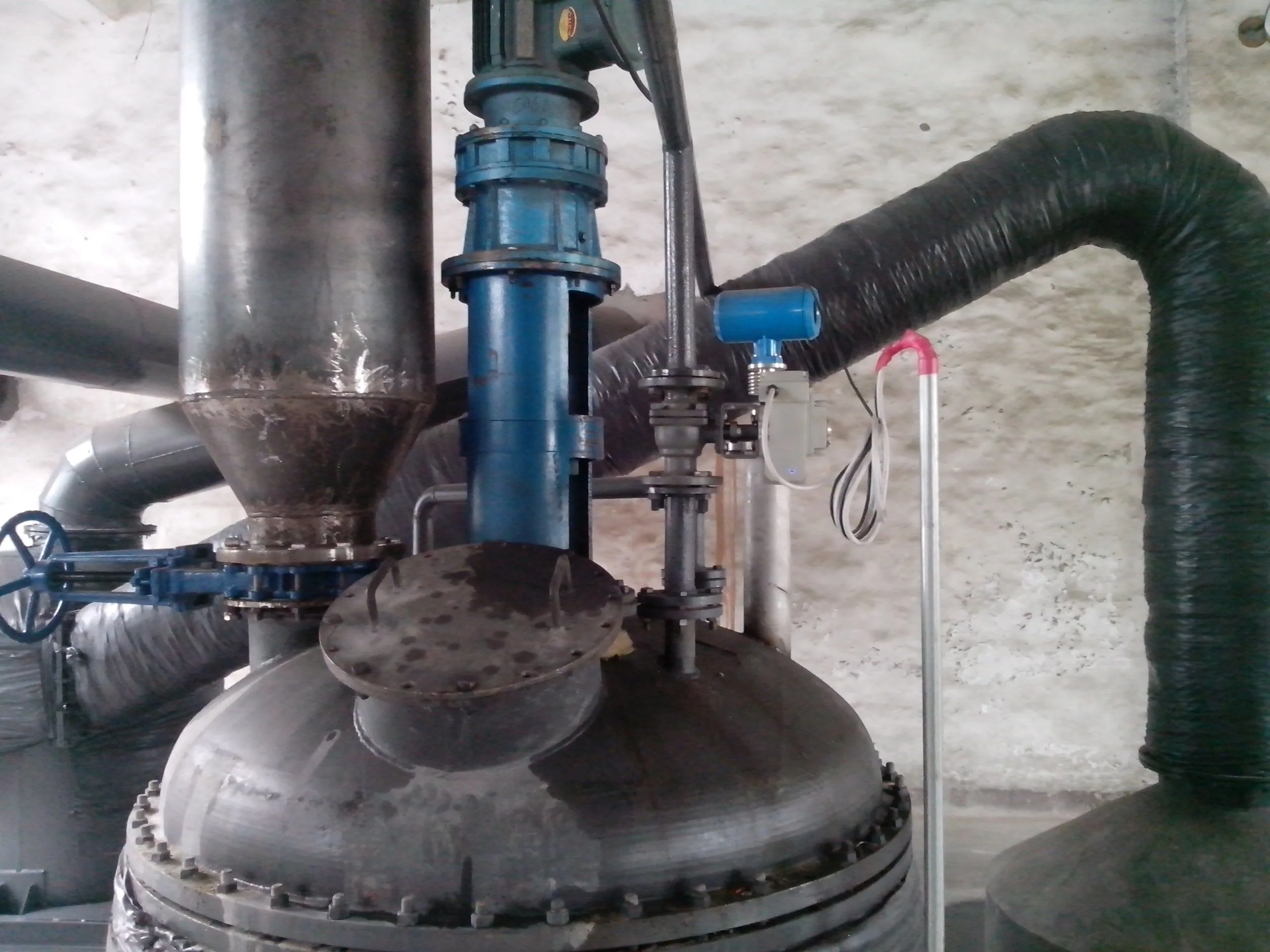
- Advantages of guided wave radar
- Low cost: The hardware cost of guided wave radar is relatively low, which is suitable for projects with limited budgets.
- Suitable for complex media: For viscous liquids or solid particles, guided wave radar can provide stable measurements.
- Contact measurement: The waveguide rod can directly contact the medium, which is suitable for certain special working conditions.

How to choose?
Whether to choose 80G radar or guided wave radar depends mainly on the specific application requirements. Here are some suggestions:
- If high precision and strong anti-interference ability are required: choose 80G radar.
- If the budget is limited and the medium is complex: choose guided wave radar.
- If the installation space is limited or non-contact measurement is required: choose 80G radar.
- If the medium is viscous or has a lot of solid particles: choose guided wave radar.
Summary
80G radar and guided wave radar each have their own advantages. There is no absolute “who is better”, only “who is more suitable”. 80G radar performs well in high-demand scenarios with its high precision and anti-interference ability; while guided wave radar is irreplaceable in specific scenarios with its lower cost and ability to adapt to complex media.
KACISE hopes that through the detailed comparison in this article, you can better understand the differences between the two technologies and make the choice that best suits your needs!


