







Background & Challenge
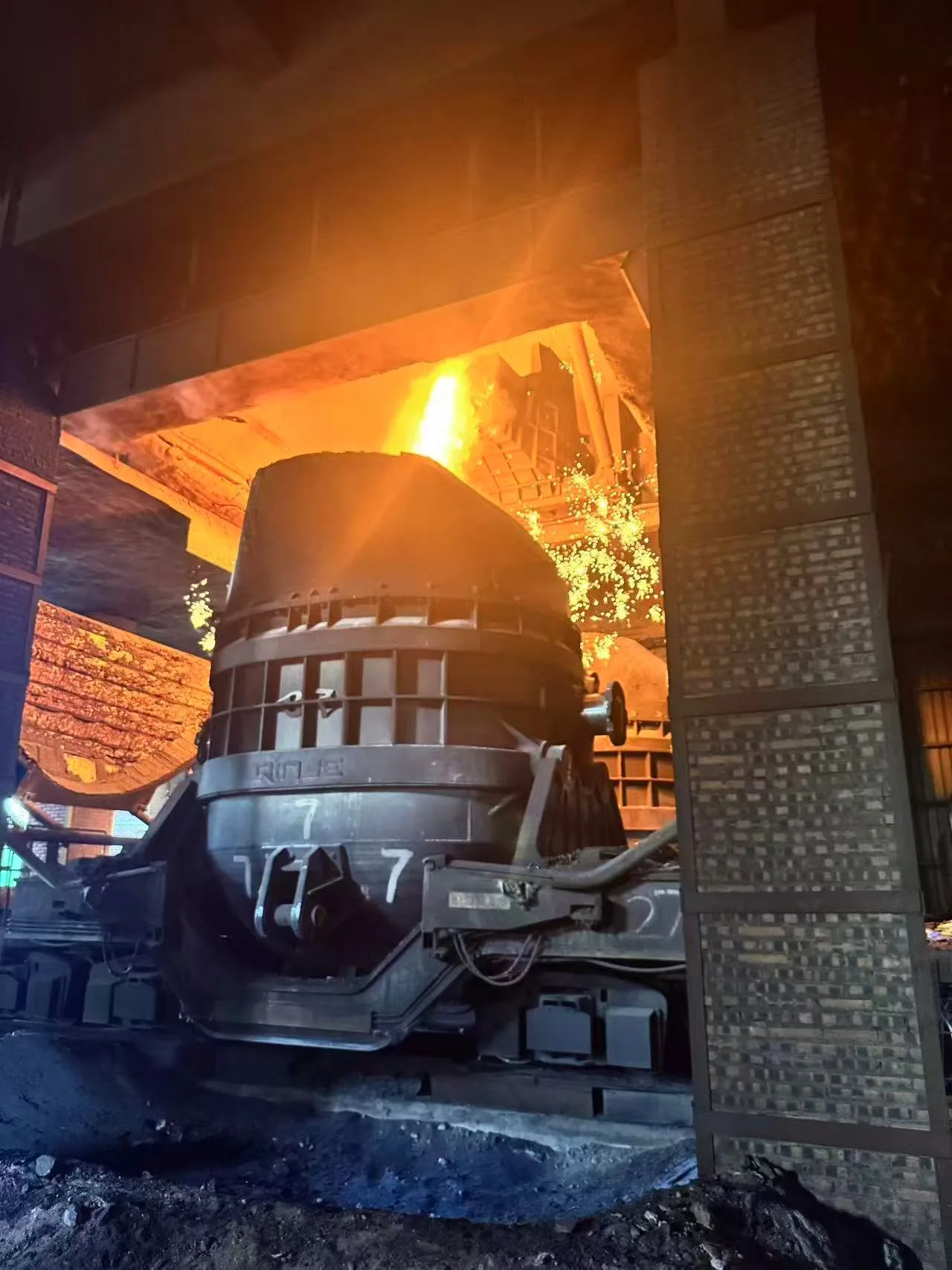
In continuous casting, molten steel level measurement in the tundish sets the casting speed, the slag carryover risk, and the inclusion load in the strand. Overfilling pushes casting powder and slag into the mould; running too low exposes the ladle shroud and vortices slag into the steel. The measurement point itself is hostile: the melt surface sits above 1,000 °C, covered by casting powder, with radiant heat, dust, and steam rising through the tundish opening.
Floats and contact probes are consumed within hours at these temperatures. Ultrasonic sensors lose the echo in the vapour plume and are distorted by the steep temperature gradient between the sensor and the melt. The steel mill needed a continuous, non-contact reading that could survive months of casting without manual intervention.
Why the KLD807 for Molten Steel Level Measurement
The KLD807 is a 26 GHz FMCW radar level meter. The horn antenna carries a high-temperature seal and a continuous air purge, so the lens stays clear of dust and the flange stays within its thermal limit. The installation used the following configuration:
- Operating frequency: 26 GHz (FMCW)
- Measurement range: 0–20 m (configured to about 4 m for this tundish)
- Accuracy: ±2 mm under stable conditions
- Antenna: horn antenna with high-temperature seal
- Maximum process temperature: 200 °C at the antenna base with the air-purge extension
- Output: 4–20 mA plus RS485 Modbus to the PLC
- Air purge: 5–10 L/min at 4 bar, instrument-grade compressed air
26 GHz was chosen over 80 GHz deliberately. At a 4 m standoff, the narrow beam of an 80 GHz unit buys nothing, while the longer wavelength of 26 GHz is attenuated less by the dust and steam that fill the tundish atmosphere.
Solution & Installation
The sensor was mounted on a bracket above the tundish opening at a standoff distance, angled slightly so the beam avoids the hottest zone while keeping a clear path to the melt surface. A compressed-air line feeds the purge ring; the PLC receives both the 4–20 mA analogue signal and the Modbus register, and applies a rate-of-change filter to reject steam bursts.

Results
After commissioning, the system ran continuously for three months with the following performance:
- Measurement availability: above 99%
- Reading stability: ±2–3 mm during steady casting
- Deviation against a reference laser check: under 5 mm at constant temperature
- Purge nozzle inspection interval: one month, nozzle still clear
- Electronics module temperature: 45–55 °C, inside the operating range
Three to five momentary false readings per heat were observed, each lasting under two seconds. The PLC rate-of-change logic rejected them. No radar can separate a steam burst from a real level transient on the sensor side alone, so this filtering belongs in the control system. For molten steel level measurement, the sensor has to be paired with that logic, not trusted on its own.
Related Products
- KLD803 Radar Level Sensor for Steam and Foam Measurement
- KLD805 Radar Level Sensor for High Temperature and Steam
- KLD802 Radar Level Sensor – Flange Type
Related reading
- KLD802 High-Precision Radar Level Meter for Industrial Water Tank Level Monitoring
- What are the Top Benefits of Ultrasonic Water Level Sensor
- Influence of Dielectric Constant on Radar Level Meter
Need a similar solution?
Every article in this library is built from a real application. Browse the full collection to see how these instruments perform in the field, or talk to our application engineers about your own installation.
Frequently Asked Questions
Q: Can radar measure molten steel level through slag and steam?
A: Yes. A 26 GHz FMCW radar works through the tundish atmosphere while the air purge keeps the antenna clear. Steam bursts can still cause momentary spikes, which the PLC filters.
Q: Why 26 GHz instead of 80 GHz?
A: At a 4 m standoff, the narrow 80 GHz beam offers no advantage, and 26 GHz is attenuated less by the dust and steam that fill the tundish atmosphere.
Q: How is the antenna protected from the radiant heat?
A: A high-temperature horn seal plus a continuous air purge at 5-10 L/min and 4 bar. The mounting standoff keeps the flange at or below 200 C.
Q: What signal does the plant PLC receive?
A: 4-20 mA and RS485 Modbus at the same time, both scaled to the tundish working range.


