







Background & Challenge
A customer wanted a KUS550 ultrasonic level sensor to control a supply pump from the tank level: the pump starts when the tank drops to a low level and stops when it refills. Two things had to be got right — the sensor must not be immersed, and the pump must not be cycled on a single threshold, which would make it start and stop repeatedly while the level sits near that value.
Why the KUS550
The KUS550 ultrasonic water level sensor measures the water surface from above the tank without contact, so there is no float to jam and nothing to foul. It provides the level signal that the control system uses to switch the pump, so the pump duty follows the real tank level rather than the state of a mechanical float.

Solution & Installation
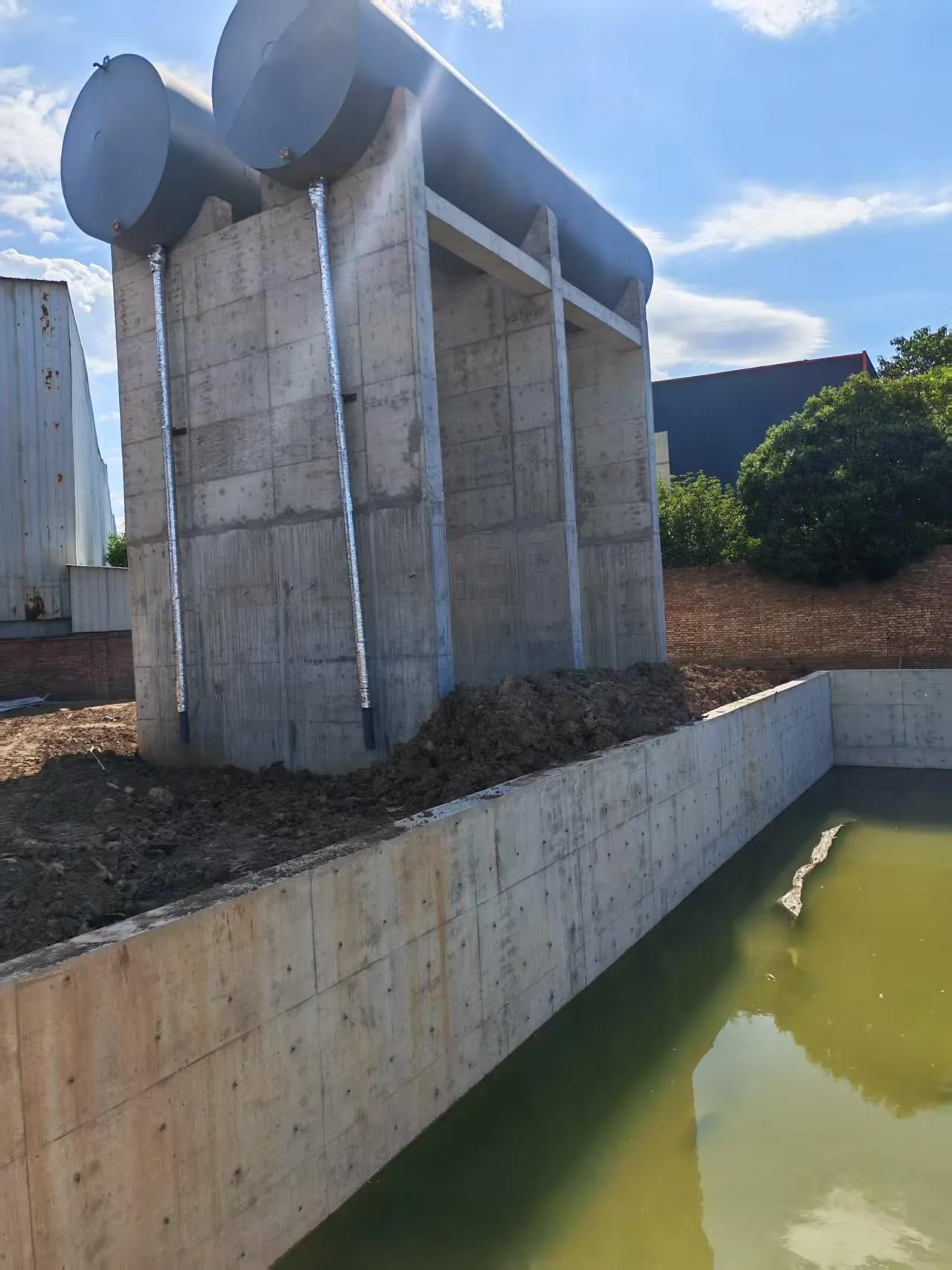
The sensor is mounted above the tank, above the maximum level and clear of the fill stream, and its level output drives the pump logic. Two setpoints are used rather than one:
- A start level — when the tank falls to this point, the pump is switched on.
- A stop level — when the tank refills to this point, the pump is switched off.
Separating the two levels lets each pumping cycle complete and protects the motor and contactor from rapid cycling. The switching signal comes either from the sensor’s own relay output or from a control system reading its output, depending on the pump starter and on whether extra protection such as dry-run cut-out is needed.
Results
The supply pump now runs from the tank level measured by the KUS550, with the start and stop levels far enough apart that the pump cycles cleanly instead of chattering on a single threshold. Because the measurement is non-contact, the tank needs no immersed float or probe.
Related Products
- KUS550 ultrasonic water level sensor
- KUS640 integrated ultrasonic level sensor
- KUM-A intelligent ultrasonic level sensor
- KUM2500A external ultrasonic level sensor
- Ultrasonic Level Sensor (category)
Frequently Asked Questions
Q: Can an ultrasonic level sensor control a pump directly?
A: It can provide the switching signal, either through its own relay output or through a control system reading its output. Which arrangement is used depends on the pump starter and on whether additional protection such as dry-run cut-out is required.
Q: Why are two setpoints used instead of one?
A: A single threshold makes the pump start and stop repeatedly while the level sits near that value. Separating the start and stop levels lets each cycle complete and protects the motor and contactor from rapid cycling.
Q: Does the sensor need to touch the water?
A: No. Ultrasonic measurement is non-contact, so nothing is immersed. That avoids fouling and corrosion and removes the risk of a float mechanism jamming.
Q: What should be checked if the pump behaviour is erratic?
A: Confirm the start and stop levels are far enough apart, that the sensor is mounted clear of the fill stream and above the maximum level, and that nothing crosses the ultrasonic beam. Erratic behaviour is usually a configuration or mounting issue rather than a sensor fault.
Need a similar solution?
Every article in this library is built from a real application. Browse the full collection to see how these instruments perform in the field, or talk to our application engineers about your own installation.


