







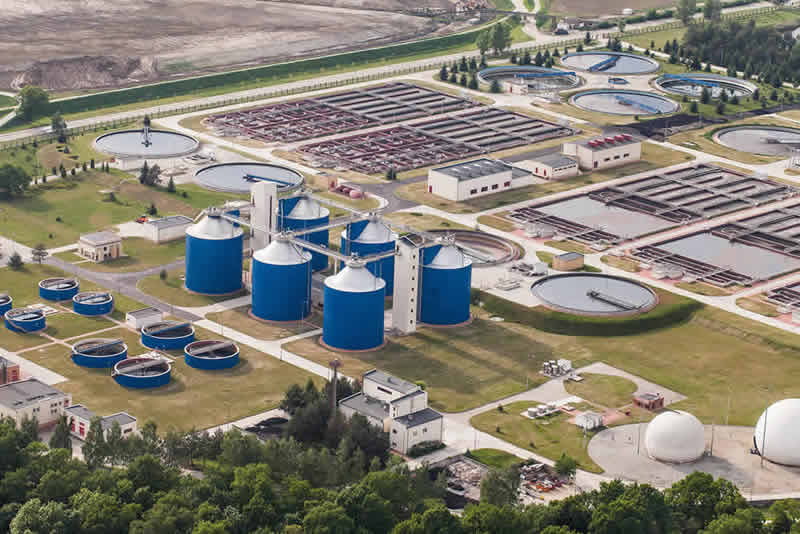
Biological treatment is the use of microorganisms to degrade organic matter in wastewater, primarily divided into anaerobic and aerobic biological treatment.
Anaerobic Biological Treatment: The principle of anaerobic biological treatment is to use anaerobic microorganisms to metabolize organic substances in an oxygen-free environment, converting them into methane (CH4), carbon dioxide (CO2), and some other intermediate products. This process is known as anaerobic digestion.
Aerobic Biological Treatment: Under aerobic conditions, microorganisms convert organic matter into carbon dioxide and water through respiration, while also removing pollutants such as ammonia nitrogen and phosphorus.
The following parameters need to be monitored during the anaerobic treatment process:
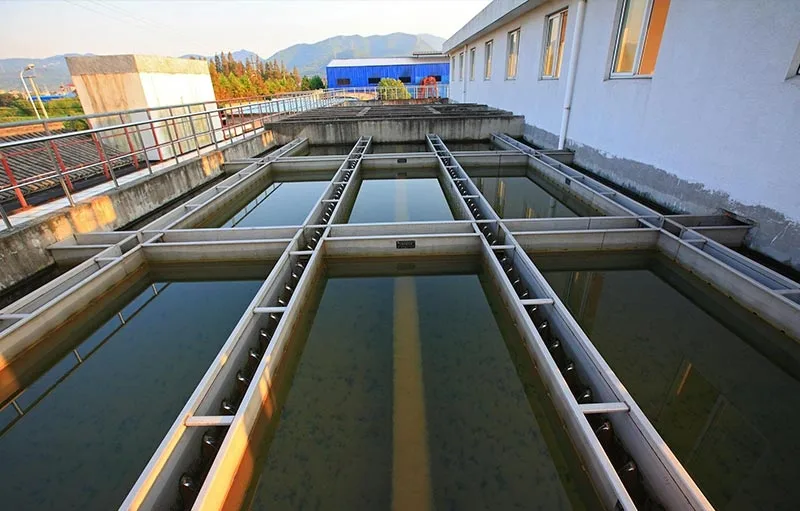
pH
Anaerobic microorganisms are sensitive to the pH of the environment, especially under acidic or alkaline conditions, where their metabolic activity can be inhibited. The optimal pH range for most anaerobic microorganisms is 6.5-8.0. Monitoring the pH helps to determine whether the system is within suitable environmental conditions and prevents excessive acidification or alkalization.
Dissolved Oxygen (DO)
During anaerobic treatment, the dissolved oxygen should be near zero, as anaerobic microorganisms grow in an oxygen-free environment. If the dissolved oxygen concentration is too high, it may inhibit the activity of anaerobic microorganisms. The DO concentration is usually monitored using an oxygen electrode method (such as a DO sensor) to ensure an anaerobic environment.
Chemical Oxygen Demand (COD)
COD is an important indicator of the concentration of organic matter in wastewater. The goal of anaerobic treatment is to degrade organic matter through microbial activity, thereby reducing the COD in the wastewater. Regular monitoring of COD helps assess the pollutant removal efficiency of the anaerobic treatment process and determine if the desired treatment level has been achieved.
Total Nitrogen (TN) and Ammonia Nitrogen (NH₃-N)
Nitrogen sources, such as ammonia nitrogen, may also be degraded during the anaerobic treatment process, especially under suitable conditions where anaerobic denitrification can remove nitrogen. Monitoring the concentrations of total nitrogen and ammonia nitrogen helps to evaluate the nitrogen removal efficiency and prevent excessive nitrogen from entering downstream water bodies, which could lead to eutrophication.
Temperature
Temperature directly affects the activity of anaerobic microorganisms. The anaerobic digestion process is most efficient in the temperature range of 30-40°C (mesophilic anaerobic digestion). Temperatures that are too high or too low can affect the reaction rate and treatment effectiveness. Maintaining the temperature within the optimal range is crucial for the smooth operation of the anaerobic process.
Almost all of KACISE’s water quality sensors are equipped with temperature sensors.
The following parameters need to be monitored during the aerobic treatment process:
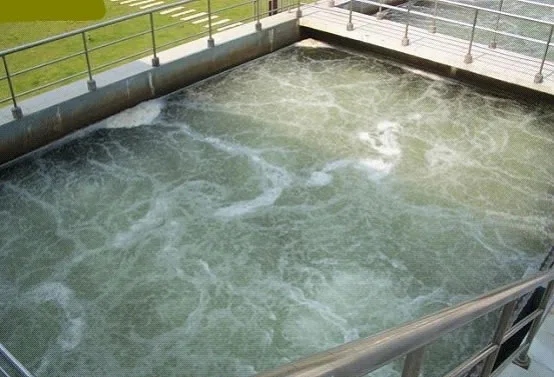
Dissolved Oxygen (DO)
Dissolved oxygen is essential for the metabolism of aerobic microorganisms. Microorganisms require oxygen for aerobic respiration to degrade organic matter. If the dissolved oxygen concentration is too low, it can lead to a decrease in microbial activity, affecting treatment efficiency. If the dissolved oxygen concentration is too high, it may waste energy. The dissolved oxygen level is usually monitored in real-time using DO sensors to ensure it remains within the appropriate range (typically 2-4 mg/L).
pH
pH affects the metabolic activity of microorganisms and the efficiency of organic matter degradation. Aerobic microorganisms are most active in neutral or slightly alkaline environments. Extremely acidic or alkaline conditions can inhibit microbial activity and even cause system failure. It is typically maintained within the range of 6.5-8.5 to ensure normal microbial metabolism.
Chemical Oxygen Demand (COD)
Chemical Oxygen Demand (COD) is a common indicator of the concentration of organic matter in wastewater. A higher COD value indicates a higher concentration of organic pollutants in the water. The main purpose of aerobic treatment is to remove these organic substances and lower the COD. Regularly monitoring the COD concentrations of influent and effluent helps assess the effectiveness of aerobic treatment. Aerobic treatment can significantly reduce the COD in wastewater, and the effluent COD is usually required to meet regulatory standards.
Biochemical Oxygen Demand (BOD)
BOD reflects the biological oxygen demand for the degradation of organic matter in water. It is an important indicator of water quality and pollution levels. During aerobic treatment, microorganisms degrade the organic matter in BOD into carbon dioxide and water through aerobic respiration. Regular measurement of BOD values is used to evaluate the removal efficiency of the treatment system. BOD5 (five-day biochemical oxygen demand) is typically the most commonly monitored indicator.
Ammonia Nitrogen (NH₃-N)
Ammonia nitrogen is a common nitrogen pollutant in wastewater. Aerobic microorganisms can convert ammonia nitrogen into nitrate through nitrification. When the ammonia nitrogen concentration is too high, it may inhibit microbial activity and affect treatment efficiency. Monitoring ammonia nitrogen concentrations ensures effective removal from the system, preventing secondary pollution to the environment.
Total Nitrogen (TN)
Total nitrogen includes ammonia nitrogen, nitrate nitrogen, and other forms of nitrogen. Nitrification reactions in aerobic treatment convert ammonia nitrogen into nitrate nitrogen. However, excessive nitrification may lead to the accumulation of nitrate nitrogen. Monitoring total nitrogen concentration, especially in systems involving nitrogen removal, ensures smooth nitrification and prevents excessive nitrogen accumulation.
Temperature
Temperature has an important impact on the metabolic rate of microorganisms and treatment efficiency. Generally, microorganisms are most active in the temperature range of 20-35°C. If the temperature is too high or too low, it will affect microbial growth and the treatment efficiency of wastewater. Temperature sensors are used to monitor the reactor temperature and ensure it stays within the optimal range.
Total Suspended Solids (TSS)
TSS reflects the concentration of suspended solids in the water. During aerobic treatment, suspended solids in wastewater are typically degraded by microorganisms (e.g., activated sludge). Excessive TSS may lead to system clogging, affecting the flow of wastewater. Monitoring TSS concentration prevents the excessive accumulation of suspended solids, ensuring the microbial activity and flowability of wastewater within the reactor.
Mixed Liquor Suspended Solids (MLSS)
MLSS refers to the concentration of suspended solids in the mixed liquor, including activated sludge and undigested organic matter. The concentration of MLSS affects the efficiency of the aerobic treatment system. MLSS concentration is typically controlled within the range of 2000-5000 mg/L to ensure an adequate number of microorganisms to degrade the organic matter in the water.


