

Author name: Kacise

ORP Sensors: Essential, Crucial Benefits, Key Applications, and How They Work

An ORP sensor, or Oxidation-Reduction Potential sensor, is an essential tool used in various industries to measure the electrical potential between two electrodes in a solution. It provides valuable data about the balance between oxidation and reduction reactions, which is important for monitoring water quality, chemical processes, and industrial applications. In this blog, we will

ORP Sensors: Essential, Crucial Benefits, Key Applications, and How They Work Read More »

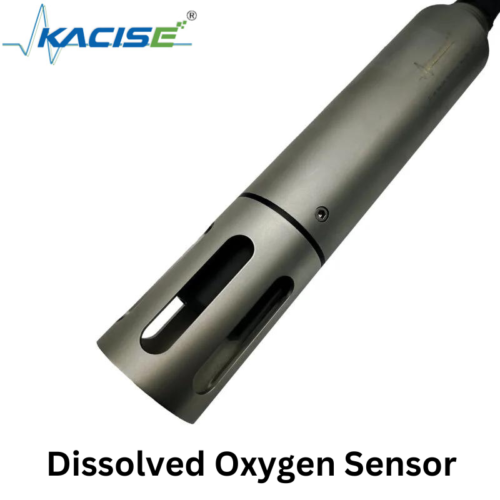
Dissolved oxygen sensors

The Role of Dissolved Oxygen Sensors: Empowering Water Treatment

Dissolved oxygen sensors Water treatment is a crucial process in maintaining the health and safety of our water supply. With the world facing increasing water quality issues due to pollution, climate change, and industrial waste, the demand for efficient water monitoring tools has never been more critical. Among these tools, the dissolved oxygen (DO) sensor

The Role of Dissolved Oxygen Sensors: Empowering Water Treatment Read More »

pH sensors

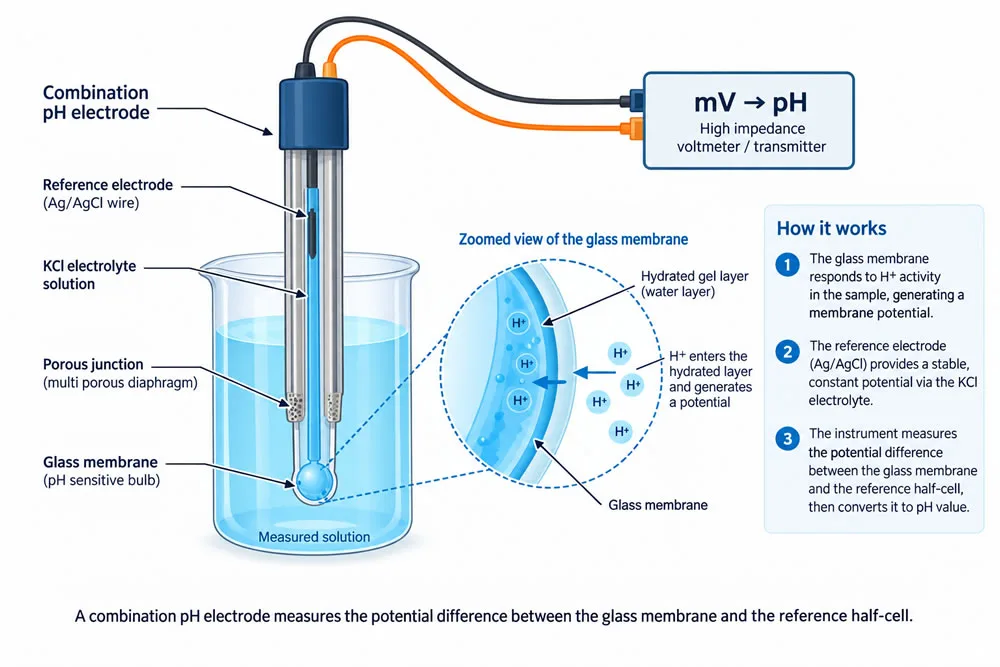
Understanding pH Sensors: How They Work and Why They Matter

pH sensors are essential devices in various industries, from water treatment plants to food production. They help measure the acidity or alkalinity of a solution, providing critical data for quality control, environmental monitoring, and chemical processes. In this article, we’ll break down what pH sensors are, how they work, and why they’re so vital. We’ll

Understanding pH Sensors: How They Work and Why They Matter Read More »

ultrasonic level sensors

Ultrasonic Level Sensors: A Beginner’s Guide to Understanding

The ultrasonic level sensors are essential in many industries, helping monitor liquid levels in tanks, reservoirs, and other containers. These sensors play a crucial role in providing accurate, reliable readings without physical contact with the liquid. In this guide, we’ll explore how ultrasonic-level sensors work, their advantages, common applications, and why they’re an excellent choice

Ultrasonic Level Sensors: A Beginner’s Guide to Understanding Read More »

water quality sensors

How Water Quality Sensors Boost Safety and Efficiency

The water quality sensors are essential for life, yet maintaining their quality has become increasingly challenging. With industries, municipalities, and even private households relying on clean water, the role of water quality sensors has grown immensely. These devices help monitor water’s purity and suitability for various uses, from drinking water to industrial processes. In this

How Water Quality Sensors Boost Safety and Efficiency Read More »

COD Sensors

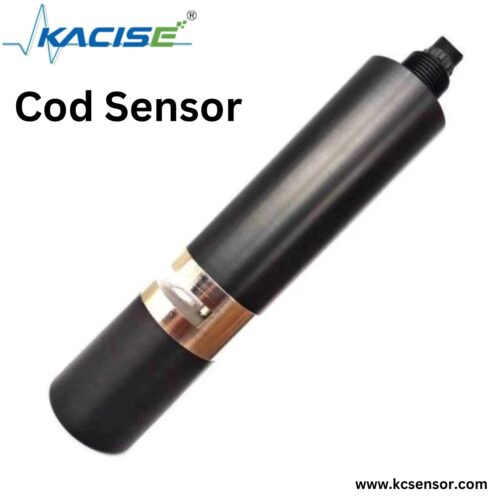
COD Sensor Guide: Working Principle, UV Method, Selection & Maintenance

A COD (Chemical Oxygen Demand) sensor measures organic pollution in water in mg/L, using UV absorption at 254 nm or electrochemical oxidation, for real-time, reagent-free monitoring in wastewater plants. Typical raw municipal wastewater runs 200–600 mg/L, and discharge permits cap COD commonly at 60–200 mg/L, depending on jurisdiction. What a COD Sensor Actually Measures Chemical Oxygen Demand is

COD Sensor Guide: Working Principle, UV Method, Selection & Maintenance Read More »

Scroll to Top

Your inquiry will be responseed in 12 hours .
For any urgent case, you can contact us via whatsapp or phone.

whatsapp
Tel
thank-you