

Filter posts by category

Water Quality Monitoring System

WS Series Multi-Parameter Water Quality Sensors

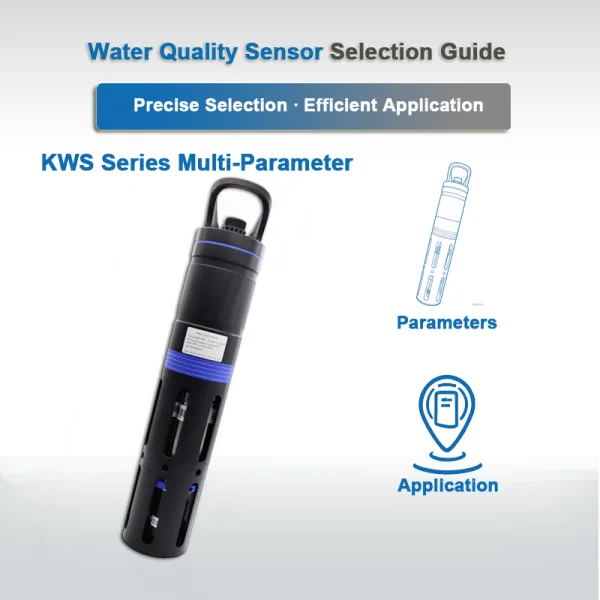
KWS Series Multi-Parameter Water Quality Sensors

1. Product Introduction What is the KWS series multi-parameter water quality sensor? A multi-parameter water quality sensor is an integrated water quality monitoring device capable of real-time and continuous monitoring of multiple key parameters in water bodies simultaneously, such as dissolved oxygen, turbidity, pH, conductivity, chlorophyll, ammonia nitrogen, etc. It features an integrated structural design

KWS Series Multi-Parameter Water Quality Sensors Read More »

KWS Series ORP Sensor Selection Guide

KWS Series ORP Sensor Selection Guide

1. Product Introduction 1.1 What is an ORP sensor? An ORP sensor reflects the oxidizing or reducing capacity of water by capturing changes in redox potential, providing accurate data support for process control, water quality assessment, and pollution treatment. 1.2 What are the advantages of the KWS series ORP sensors? Traditional ORP sensors commonly suffer

KWS Series ORP Sensor Selection Guide Read More »

turbidity sensor

How to Choose a Fish Pond Turbidity Sensor

I. Working Principle of Turbidity Sensor: The Cornerstone of Scientific Monitoring Mainstream turbidity sensors are based on the optical scattering principle and calculate the turbidity value by measuring the scattering intensity of light by particles in water. Here’s a comparison of two core technologies: Technology Type Principle Application Scenarios Accuracy Maintenance Cost 90° Scattering Light

How to Choose a Fish Pond Turbidity Sensor Read More »

Aquaculture Water Quality Standards: DO, pH & Ammonia Limits (EPA, EU, China GB 11607)

The three global aquaculture water quality baselines are: dissolved oxygen above 5 mg/L for 16 hours per day, pH 6.5–8.5, and non-ionic ammonia below 0.02 mg/L — with stricter limits for salmonids and shellfish. The tables below compare the US EPA, EU, and China GB 11607-89 limits parameter by parameter, and the full GB 11607-89

Aquaculture Water Quality Standards: DO, pH & Ammonia Limits (EPA, EU, China GB 11607) Read More »

Land-based recirculating water systems

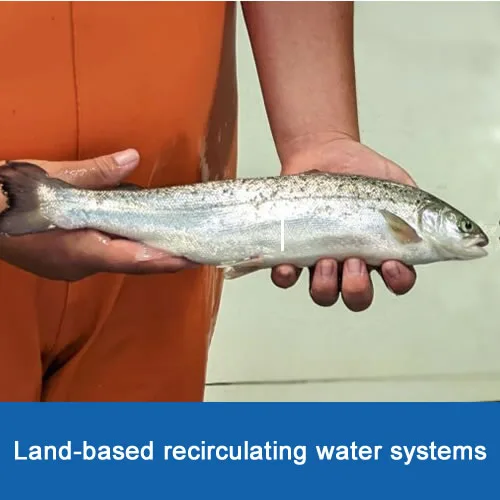
Land-based recirculating water systems: the future of sustainable Atlantic salmon farming

Challenges of Traditional Net Pen Aquaculture: A Hurdle to Sustainability In the United States, over half of the commercially sold Atlantic salmon is imported and farmed primarily through net pen aquaculture. While cost-effective, this open-water method poses critical risks: Redefining Aquaculture with a “Green Formula” The University of Wisconsin-Stevens Point Northern Aquaculture Demonstration Facility (UWSP

Land-based recirculating water systems: the future of sustainable Atlantic salmon farming Read More »

Water Plant Case_500x500

Tap water and drinking water quality monitoring

Case Background Location: Zhongfo Mountain, Xiangxi Tujia and Miao Autonomous Prefecture, Hunan ProvinceMonitoring Project: Drinking Water Quality Monitoring of Zhongfo Mountain’s Tap Wate Xiangxi Tujia and Miao Autonomous Prefecture is located in the western part of Hunan Province, renowned for its unique Tujia and Miao cultures. The region is blessed with beautiful natural landscapes, but

Tap water and drinking water quality monitoring Read More »

Why should circulating water be treated?

Why should circulating water be treated?

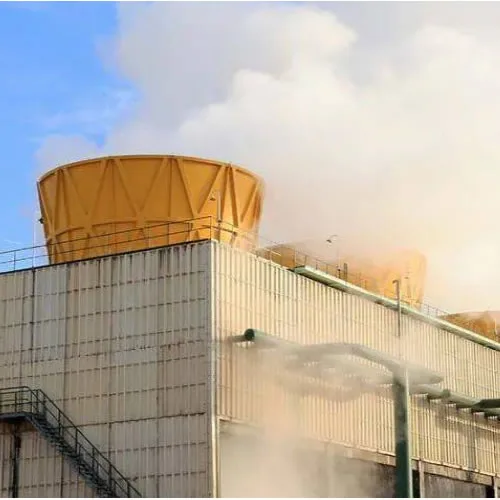
Why should circulating water be treated? 1.Scale: After the circulating water passes through the cooling tower, the water evaporates continuously, and all the ions brought by the replenishment water remain in the circulating water. The ion concentration continues to rise and becomes supersaturated; these excess ions crystallize and precipitate in the high temperature places in

Why should circulating water be treated? Read More »

Scroll to Top

Your inquiry will be responseed in 12 hours .
For any urgent case, you can contact us via whatsapp or phone.

whatsapp
Tel
thank-you