







Background: The Weihe Plain in Shaanxi is a major grain-producing area in China, particularly for crops like wheat and corn. However, with climate change leading to unstable water resources, irrigation management has become increasingly challenging. To improve agricultural efficiency and conserve water, many agricultural cooperatives in Shaanxi have adopted IoT-based smart irrigation systems.
Automated System: Several farms and cooperatives in the Weihe Plain have implemented smart irrigation systems using wireless sensors, intelligent controllers, and cloud platforms. The system integrates wireless data transmission, automation, and solar power to optimize irrigation.
Equipment Used:
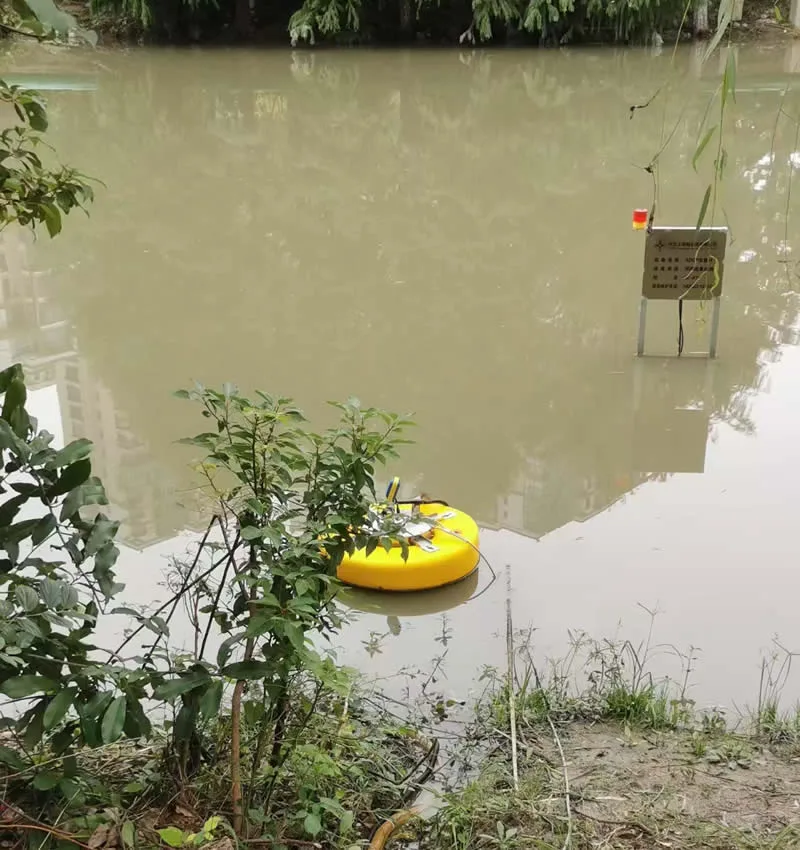
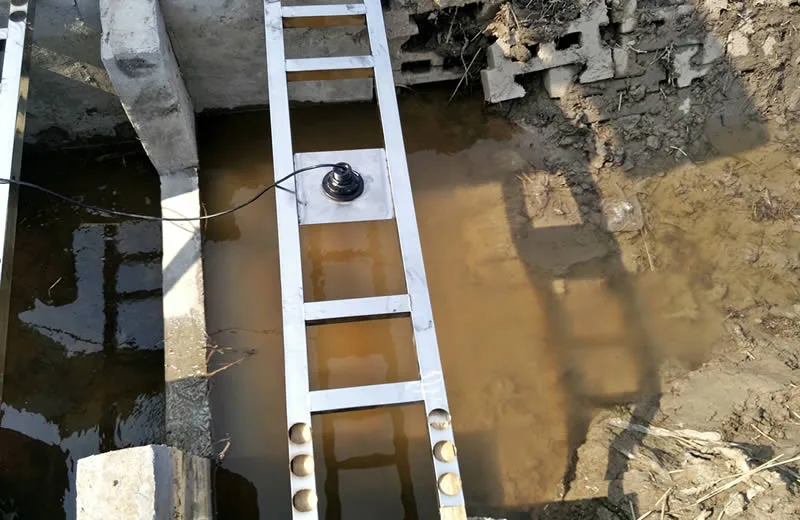
- Wireless Open Channel Flow Meters: Installed in irrigation channels and drainage systems, these flow meters wirelessly transmit flow data to a management platform, ensuring precise water monitoring.
- Radar Level Sensors: Installed in irrigation ponds and reservoirs, these sensors monitor water levels and transmit data to the control system for adjustments.
- Solar-Powered Water Quality Sensors: These sensors monitor irrigation water quality, ensuring it meets the required standards for agricultural use.
Results:
- Irrigation water usage was reduced by 30%, improving crop growth conditions and increasing yield by approximately 15%.
- The smart irrigation system automatically adjusted irrigation volumes based on weather forecasts and water quality monitoring, minimizing water wastage.
- Solar-powered sensors reduced electricity consumption, lowering operational costs.


