



Introduction
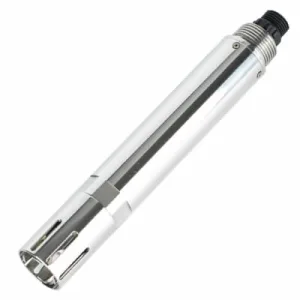
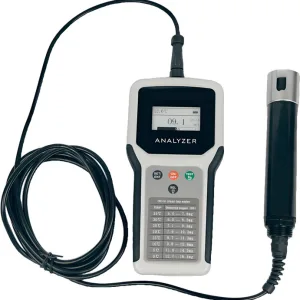
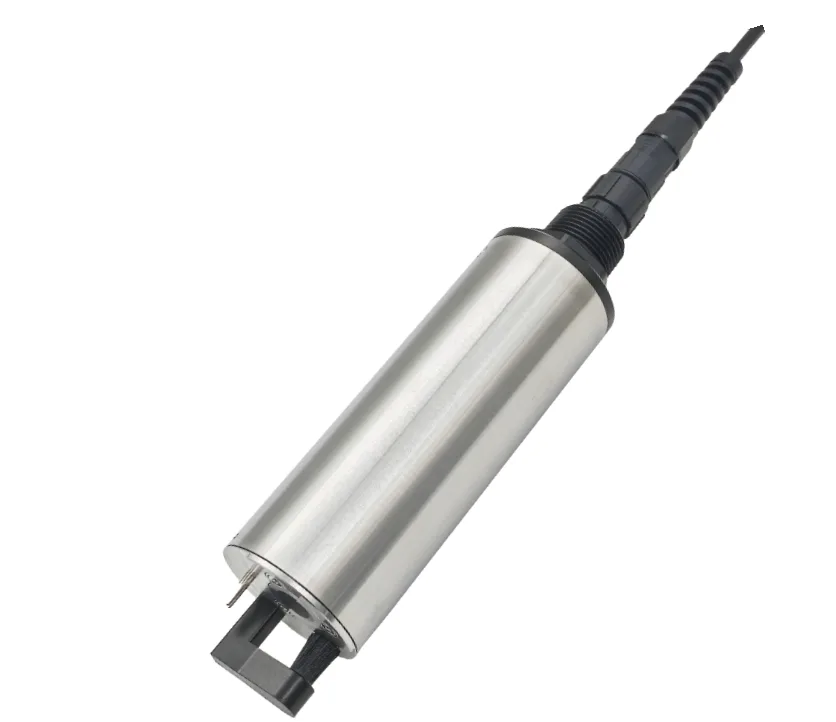
The KWS-601 fluorescence-based self-cleaning DO sensor employs next-generation fluorescence lifetime technology and utilizes proprietary high-performance fluorescent materials. It consumes no oxygen, has no flow rate limitations, requires no electrolyte, is maintenance-free and calibration-free, and is unaffected by hydrogen sulfide interference, exhibiting excellent accuracy and stability. It integrates a high-precision temperature sensor with automatic temperature compensation. The sensor features a self-cleaning brush to prevent microbial adhesion, extending maintenance intervals and ensuring exceptional reliability for long-term deployment in demanding water monitoring environments.
Feature
- Digital sensor, RS485 output, MODBUS protocol
- Electrolyte-free, strong anti-interference, no need for frequent calibration
- Does not consume oxygen, no flow rate limitation
- Integrated high-precision temperature sensor, automatic temperature compensation
- Equipped with a self-cleaning brush to prevent microbial adhesion and extend maintenance cycles
- Built-in calibration parameters, factory-calibrated, ready for direct installation and use
- 316L stainless steel casing (titanium alloy customizable)
- Maximum water depth 30 meters, response time 20 seconds
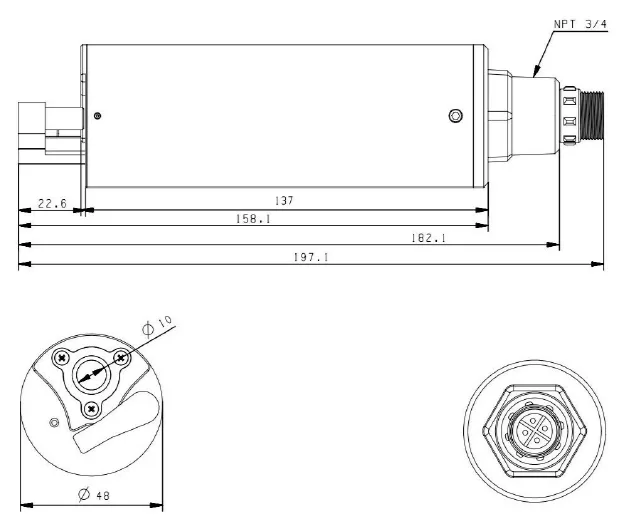
Dimension
Self-Cleaning Brush System
The KWS-601 features a one-piece self-cleaning brush that prevents microbial adhesion and biofouling on the sensor window. The brush rotates periodically to scrape the sensing surface clean, significantly extending maintenance intervals. Brush operation can be configured via MODBUS registers — including power-on auto-start and repeat interval settings (default 30 minutes). The brush head should be inspected every 3–6 months and replaced if worn.
Installation
The sensor should be installed vertically with the measuring window facing downward, at least 30 cm below the lowest expected water level. Avoid suspending the sensor by the cable — use a protective sleeve to maintain water tightness. In high-flow environments, additional securing brackets are recommended.
Do not damage the sealing ring at the M16 connector. Ensure the power supply voltage (DC 9–24V, ≥1A) and wiring sequence are correct before power-on.
Maintenance
| Maintenance Task | Recommended Frequency |
| Sensor surface cleaning | Every 2 months (more frequent in high-fouling environments) |
| Visual inspection (housing, cable, cap) | Every 30 days |
| Fluorescent cap replacement | Once per year |
| Sensor calibration | Every 30 days (frequent use) / before each use (occasional) |
| Self-cleaning brush replacement | Every 3–6 months (depending on conditions) |