







In fish farming, water quality is one of the most critical factors determining yield and survival rates. Turbidity, as a key indicator of suspended particulate concentration in water, directly impacts fish respiration, algal photosynthesis, and pathogen proliferation risks. This article combines practical client needs with scientific principles and industry case studies to explain how turbidity sensors become the “silent guardian” of pond management, while providing actionable guidelines for selection and usage to enhance farming efficiency.
I.Direct Ecological Impacts of Turbidity: Data-Driven Risks
1.Oxygen Crisis
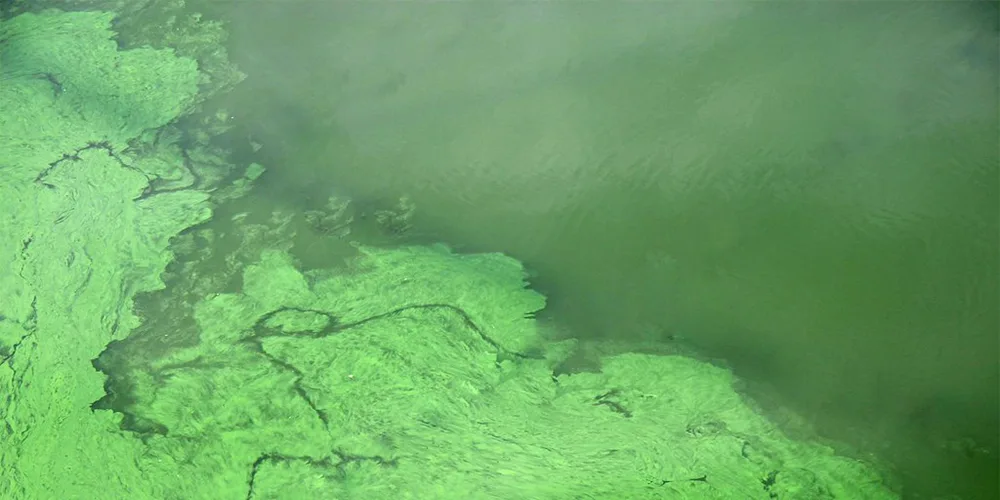
The increase in turbidity, along with the decomposition of organic matter, will lead to a decrease in the oxygen content in the water. The algal turbidity effect will weaken the underwater light intensity and narrow the spectral range. Under low-oxygen conditions, the behavioral patterns of fish will change. (Jarvenpaa, M., & Lindstrom, K. 2004)
2.Pathogen Breeding Ground
Suspended particles provide ideal surfaces for bacteria and parasites to colonize. Comparative data from a fish farm reveals that ponds with >100 NTUturbidity exhibit 3.2× higher bacterial countscompared to those with <20 NTU, resulting in 67% higher fish disease incidence.
3.Algal Imbalance
Excessive particles block sunlight penetration, suppressing beneficial algal growth.
4.Difficulty in foraging
| Feature | Planktivorous Fish | Piscivorous Fish |
| Prey Type | Small zooplankton | Juvenile salmonids (e.g., young salmon) |
| Turbidity Impact Threshold | >40NTU | >5~10NTU |
| Impact Mechanism | Light scattering | Visual degradation, severely impairs prey detection |
The data is from (De Robertis, A., Ryer, C. H., Veloza, A., & Brodeur, R. D. 2003)
Conclusion: High turbidity will affect the foraging behavior of fish, especially for carnivorous fish. The higher the turbidity, the worse the underwater lighting, and it will also affect the foraging of fish.
II.Case Study: How Turbidity Sensors Improve Aquaculture Efficiency
Turbidity, a critical indicator of suspended solids (e.g., silt, algae, organic matter) in water, directly impacts fish health, behavior, growth, and survival rates.
Key Impacts of Turbidity on Fish:
- Suspended particles (e.g., silt, algal fragments) adhere to gill filaments, obstructing gas exchange.
- When the stocking density is too high, the ammonia substances produced in the pond and the enzymes in the fish excrement will alter the properties of the mucus on the gills. Various suspended substances in the water body are prone to accumulate between the gill filaments, providing an ideal breeding ground for bacteria and fungi.(Strzyzewska et al., 2016)
- When the turbidity is too high, the photosynthetic efficiency of algae decreases, and the dissolved oxygen may drop below the critical level required for fish survival.

Based on the research data above, we provide actionable turbidity management strategies to help customers reduce aquaculture risks and improve profitability:
Turbidity Monitoring:Install turbidity sensors. We recommend using online turbidity sensors (such as the KWS900) to monitor pond turbidity in real time.
Methods for reducing the turbidity of water in fish ponds:
- Turbidity Monitoring: When turbidity exceeds 50 NTU, trigger an alarm to notify staff to initiate emergency measures.
- Turbidity Control: Reduce Sources of Suspended Particles
- Minimize Sediment Disturbance: Avoid excessive use of aerators (especially in shallow areas) to reduce the release of suspended particles from sediment.
- Rational Feeding: Use sinking feed (to reduce floating residues) and feed 2–3 times daily (avoid overfeeding to prevent leftover accumulation).
- Regular Dredging: Clean pond sediment 1–2 times per year (especially in older ponds) to reduce the source of suspended particles.
- Plant Aquatic Vegetation: Such as waterweed or duckweed, to absorb suspended particles while providing shelter for fish.
- Introduce Filter-Feeding Fish: Such as silver carp or bighead carp, to reduce plankton (e.g., algae) through filter-feeding, thereby lowering turbidity.
Benefits of Effective Turbidity Control:
- Enhanced Dissolved Oxygen Levels: Reduced turbidity improves light penetration, promoting phytoplankton photosynthesis and significantly increasing dissolved oxygen concentrations.
- Stabilized pH Levels: High turbidity leads to pH decrease due to acidic byproducts from organic matter decomposition. Maintaining turbidity within appropriate levels helps sustain optimal pH range (6.5-8.5), reducing fish metabolic disorders.
- Reduced Harmful Substances: Turbidity is positively correlated with ammonia nitrogen and nitrite. A decrease in turbidity can lead to a reduction in ammonia nitrogen concentration.
- Minimized Gill Damage: Based on the above research, it can be known that suspended solids in water pose a threat to fish. By controlling turbidity, the content of suspended solids in water can be significantly reduced.
- Accelerated Growth Rates: Under conditions where the water is clear and conducive to fish survival, the energy allocation of fish becomes more efficient. The proportion of energy used for growth increases from 25% to 40%, the feed coefficient decreases from 1.8 to 1.2, and the feed cost per pound of fish is reduced by 33%. These data are from our customers.
Click here to obtain more information about the turbidity sensor: How to Choose a Fish Pond Turbidity Sensor

References
Jarvenpaa, M., & Lindstrom, K. (2004). Water turbidity by algal blooms causes mating system breakdown in a shallow-water fish, the sand goby Pomatoschistus minutus. Proceedings of the Royal Society B: Biological Sciences, 271(1563), 2361–2365.
De Robertis, A., Ryer, C. H., Veloza, A., & Brodeur, R. D. (2003). Differential effects of turbidity on prey consumption of piscivorous and planktivorous fish. Canadian Journal of Fisheries and Aquatic Sciences, 60(12), 1517–1526. https://doi.org/10.1139/F03-123
Strzyzewska, E., Szarek, J., & Babinska, I. (2016). Morphologic evaluation of the gills as a tool in the diagnostics of pathological conditions in fish and pollution in the aquatic environment: a review. Veterinarni Medicina, 61(3), 123–132. https://doi.org/10.17221/8763-VETMED


